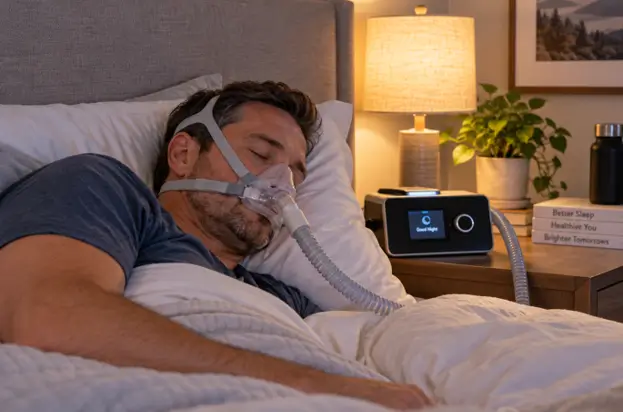
Many people expect to wake up feeling refreshed as soon as they begin CPAP therapy for obstructive sleep apnea. While continuous positive airway pressure (CPAP) is considered the gold standard treatment for sleep apnea, it doesn’t always eliminate daytime fatigue immediatelyor completely.
If you’re still asking, “Why am I still tired despite using CPAP?”, you’re not alone. Nova Pulmonary and Sleep regularly helps patients throughout Vienna, Leesburg, South Riding, Ashburn, Broadlands, Brambleton, Fairfax, Tysons Corner, Chantilly, and Purcellville, VA identify the underlying reasons for persistent fatigue after starting treatment.
The good news is that lingering tiredness often has an identifiable cause. With the right evaluation from a sleep specialist or pulmonologist, many patients can improve both their sleep quality and daytime energy.
Isn’t CPAP Supposed to Fix Sleep Apnea?
CPAP keeps your airway open while you sleep, preventing repeated breathing interruptions caused by sleep apnea. By reducing these interruptions, your body can achieve deeper, more restorative sleep.
However, successful treatment depends on several factors, including:
- Consistent nightly use
- Proper mask fit
- Correct pressure settings
- Adequate sleep duration
- Other medical conditions
Simply wearing a CPAP machine does not automatically guarantee restorative sleep.
It May Take Time to Feel Better
Some people notice dramatic improvement within days.
Others need several weeks or even months before daytime sleepiness improves.
A review published by the American Thoracic Society notes that while CPAP significantly improves excessive daytime sleepiness for many patients, some still experience residual fatigue despite good treatment adherence, requiring further evaluation for other causes.
1. You’re Not Using CPAP Long Enough
One of the most common reasons patients remain tired is insufficient CPAP usage.
Many people remove the mask during the night without realizing it or only use it for part of the night.
Sleep apnea occurs whenever you sleep, not just during the first few hours.
Most sleep physicians recommend using CPAP every time you sleep, including:
- Overnight sleep
- Afternoon naps
- Weekend naps
Research from the Sleep Heart Health Study found that longer CPAP usage is associated with greater improvements in daytime alertness and quality of life.
2. Your CPAP Mask Doesn’t Fit Properly
Even small mask leaks can reduce treatment effectiveness.
Common signs include:
- Air blowing into your eyes
- Loud leaking sounds
- Dry mouth
- Frequent awakenings
- Facial discomfort
Poor mask fit can also cause you to unconsciously remove the mask during sleep.
A sleep specialist can review your machine data and recommend a different mask style if needed.
3. Your Pressure Settings May Need Adjustment
Weight changes, aging, medications, alcohol use, or health changes can affect the pressure needed to keep your airway open.
If pressure is too low:
- Airway collapse may continue
- Sleep apnea events may persist
- Oxygen levels may still drop
If pressure is too high:
- You may wake frequently
- Swallow excess air
- Feel uncomfortable wearing the mask
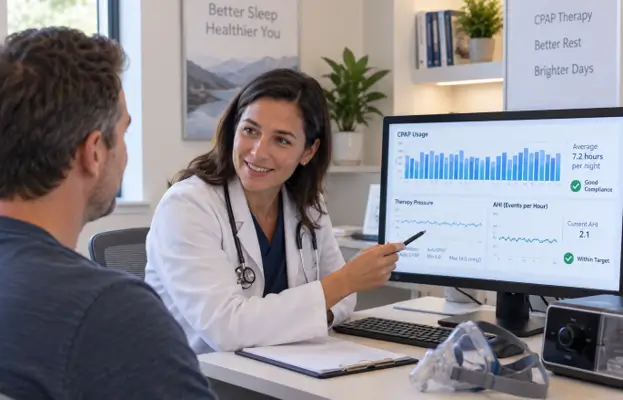
Modern CPAP machines record valuable treatment data that allows your physician to determine whether adjustments are necessary.
4. You’re Still Not Getting Enough Sleep
CPAP improves breathing; it cannot replace lost sleep.
Adults generally need between seven and nine hours of sleep each night.
Common habits contributing to fatigue include:
- Staying up too late
- Irregular sleep schedules
- Excessive screen time before bed
- Frequent nighttime interruptions
- Shift work
Even perfectly treated sleep apnea cannot overcome chronic sleep deprivation.
5. Another Sleep Disorder Could Be Present
Some patients have more than one sleep disorder.
Possible conditions include:
- Restless legs syndrome
- Periodic limb movement disorder
- Insomnia
- Circadian rhythm disorders
- Narcolepsy
A comprehensive evaluation by a sleep specialist may identify additional causes of poor sleep quality.
One review published in the journal Sleep Medicine Reviews found that persistent excessive daytime sleepiness after CPAP therapy should prompt evaluation for coexisting sleep disorders and other medical conditions.
6. CPAP May Not Be Treating Every Breathing Event
Even patients who faithfully wear CPAP may still experience breathing disturbances.
Possible reasons include:
- Residual obstructive events
- Central sleep apnea
- Incorrect equipment settings
- Significant mask leaks
Downloading and reviewing CPAP compliance reports often provides valuable information about treatment effectiveness.
7. Other Medical Conditions Can Cause Fatigue
Feeling tired does not always mean your CPAP isn’t working.
Numerous health conditions can produce similar symptoms, including:
- Thyroid disorders
- Iron deficiency
- Vitamin B12 deficiency
- Diabetes
- Heart disease
- Chronic kidney disease
- Depression
- Anxiety
Patients seeing a pulmonologist often benefit from a broader medical evaluation to determine whether another condition is contributing to fatigue.
8. Certain Medications Cause Daytime Sleepiness
Some medications naturally increase fatigue.
Examples include:
- Antihistamines
- Certain antidepressants
- Anxiety medications
- Pain medications
- Muscle relaxants
- Some blood pressure medications
Never stop prescription medications without speaking to your physician, but discuss persistent sleepiness during your appointment.
9. Lung Conditions Can Reduce Oxygen Levels
People with respiratory diseases may still feel fatigued despite effective CPAP treatment.
Conditions such as:
- COPD
- Severe asthma
- Interstitial lung disease (ILD)
- Chronic cough
- Pulmonary fibrosis
can reduce oxygen exchange and contribute to poor sleep quality or daytime fatigue.
A lung specialist can evaluate whether an underlying pulmonary condition is affecting your energy levels.
10. Smoking and Lifestyle Habits Matter
Smoking damages lung function, worsens airway inflammation, and reduces sleep quality.
Other contributors include:
- Alcohol before bedtime
- Lack of exercise
- Obesity
- Poor nutrition
- High caffeine intake late in the day
Even modest lifestyle improvements often enhance CPAP results.
Could Your CPAP Machine Need Replacement?
CPAP equipment doesn’t last forever.
Older machines may:
- Deliver inaccurate pressures
- Record incomplete treatment data
- Become noisier
- Lose efficiency
Masks, tubing, filters, and cushions also require routine replacement, per manufacturer recommendations.
If your equipment is several years old, your provider can determine whether an upgrade would improve treatment.
When Should You See a Sleep Specialist?
Schedule an evaluation if you experience:
- Persistent daytime fatigue after several weeks of CPAP use
- Loud snoring despite CPAP
- Morning headaches
- Frequent awakenings
- Dry mouth every morning
- Difficulty tolerating your mask
- Falling asleep during the day
- Shortness of breath
- Worsening snoring
Don’t assume continued fatigue is something you simply have to live with.
How Nova Pulmonary and Sleep Can Help
Persistent tiredness deserves a closer look.
At Nova Pulmonary and Sleep, patients receive comprehensive evaluations that go beyond simply checking CPAP compliance. Depending on your symptoms, your physician may review machine data, reassess your sleep apnea treatment, evaluate for additional sleep disorders, or investigate lung conditions such as COPD, asthma, chronic cough, lung nodules, or other causes of shortness of breath.
Whether you’re looking for a trusted sleep specialist, pulmonologist, or lung specialist in Vienna, Leesburg, Ashburn, South Riding, Broadlands, Brambleton, Fairfax, Tysons Corner, Chantilly, or Purcellville, VA, personalized care can help identify why you’re still feeling tired.
Frequently Asked Questions
How Long Does It Take To Feel Better After Starting CPAP?
Many patients improve within a few weeks, while others may require several months depending on treatment adherence and other health conditions.
Can CPAP Stop Working?
Yes. Weight changes, equipment wear, mask leaks, or incorrect pressure settings may reduce effectiveness over time.
Should I Stop Using CPAP If I’m Still Tired?
No. Continue using your CPAP unless your physician tells you otherwise. Stopping treatment may worsen sleep apnea and increase health risks.
Can Untreated Lung Disease Make Me Tired Even With CPAP?
Yes. Conditions such as COPD, asthma, or other lung disorders can contribute to fatigue and should be evaluated by a pulmonologist.

Take the Next Step Toward Better Sleep
If you’re still waking up exhausted despite faithfully using CPAP, don’t assume it’s normal. Persistent fatigue often has a treatable explanation, whether it’s related to your CPAP therapy, another sleep disorder, or an underlying lung condition. The experienced team at Nova Pulmonary and Sleep provides comprehensive evaluations to help patients throughout Northern Virginia get answers and improve their quality of life.
To schedule an appointment with a trusted sleep specialist or pulmonologist, visit http://www.novapulmonary.com and take the next step toward healthier, more restorative sleep.