What is 6 Minute Walk Test?
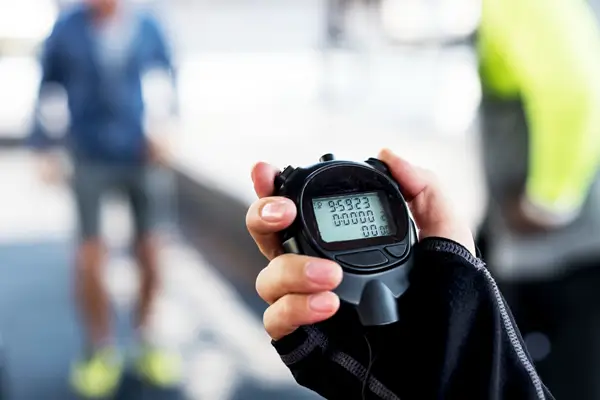
The 6 Minute Walk Test (6MWT) is a simple and widely used measure of functional exercise capacity. It is often employed in clinical settings to assess the distance an individual can walk within a span of six minutes. The test is typically conducted in a hallway of a standardized length, and the individual is instructed to cover as much ground as possible in the given time frame.
What are the basics of 6 Minute Walk Test?
Here’s a basic overview of how the 6 Minute Walk Test is typically administered:
- Preparation: Before the test, the individual is given clear instructions on how to perform the walk, and any questions they may have are addressed. The purpose and procedures of the test are explained.
- Warm-up: While a formal warm-up is not usually required, individuals are encouraged to move around and stretch a bit to prepare for the walk.
- Walking: The participant is asked to walk back and forth along a straight, flat corridor for six minutes. They are allowed to self-pace and can take breaks if needed. However, the clock continues to run during any breaks.
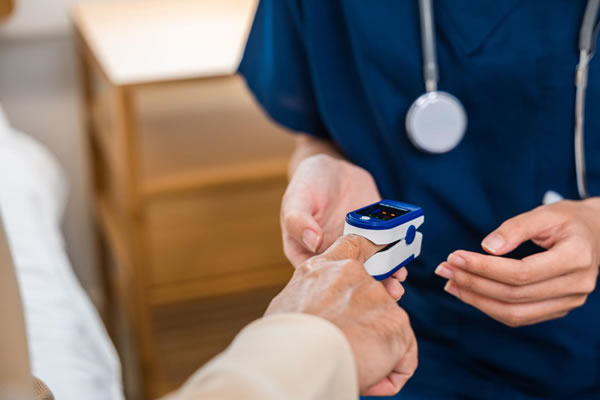
- Monitoring: During the test, vital signs such as heart rate, blood pressure, and oxygen saturation may be monitored. Additionally, the tester may encourage the participant verbally, but specific encouragement phrases are standardized to minimize variability between tests.
- Recording: The total distance covered in six minutes is measured in meters or feet, and the result provides a measure of the individual’s exercise tolerance and functional capacity.
Does the 6 Minute Walk Test Work?
The 6 Minute Walk Test is commonly used in various clinical settings, particularly in pulmonary and cardiovascular rehabilitation, as well as in assessing individuals with chronic respiratory diseases, heart failure, and other conditions affecting exercise capacity. It serves as a practical and reliable tool for evaluating the response to interventions and tracking changes in functional status over time.

6-Minute Walk Test (6MWT) FAQs | NOVA Pulmonary
What is the 6-minute walk test?
The 6-minute walk test (6MWT) is a simple, non-invasive test that measures how far you can walk in six minutes on a flat surface. It helps evaluate your overall functional capacity and how well your heart and lungs are working.
Why is the 6-minute walk test performed?
The test is used to assess and monitor conditions such as:
- Chronic Obstructive Pulmonary Disease (COPD)
- Pulmonary Fibrosis
- Pulmonary Hypertension
- Heart and lung conditions causing exercise intolerance
It also helps evaluate treatment effectiveness and disease progression.
How does the 6-minute walk test work?
You will be asked to walk back and forth along a marked hallway for six minutes. The goal is to walk as far as possible at your own pace while medical staff monitor your symptoms, heart rate, and oxygen levels.
What does the 6-minute walk test measure?
The test measures:
- Distance walked in six minutes
- Oxygen saturation levels
- Heart rate response
- Shortness of breath and fatigue levels
Is the 6-minute walk test safe?
Yes, the test is safe and widely used. It is supervised by healthcare professionals who monitor your condition throughout the test.
Do I need to prepare for the test?
Preparation is simple:
- Wear comfortable clothing and walking shoes
- Take your medications as prescribed (unless instructed otherwise)
- Avoid heavy meals right before the test
What should I expect during the test?
During the test:
- You can slow down, stop, and rest if needed
- You will be encouraged to resume walking as soon as you feel able
- Staff will monitor your oxygen levels and symptoms
What is a normal result for the 6-minute walk test?
Normal results vary depending on age, gender, and overall health. Your provider will compare your distance and oxygen levels to expected values for your profile.
What happens if my test results are abnormal?
Abnormal results may indicate reduced lung or heart function. Your provider at NOVA Pulmonary may recommend further testing, treatment adjustments, or pulmonary rehabilitation.
Can the 6-minute walk test detect lung disease?
The test does not diagnose a specific disease, but it helps identify functional limitations and monitor conditions like Chronic Obstructive Pulmonary Disease and Pulmonary Fibrosis.
How often should the 6-minute walk test be repeated?
The frequency depends on your condition. It may be repeated periodically to track disease progression or response to treatment.
Who should have a 6-minute walk test?
The test is recommended for individuals with:
- Chronic lung diseases
- Shortness of breath
- Reduced exercise tolerance
- Pre- or post-treatment evaluations
Can I stop during the test if I feel tired?
Yes, you can stop and rest at any time. The goal is to measure your real-world walking ability, not to push beyond your limits.
Office Locations
Conveniently located near you in Dulles, Leesburg, (Loudoun County) and Vienna, (Fairfax County), VA
NOVA Pulmonary – Dulles
24430 Stone Springs Boulevard
Suite 550
Dulles, VA 20166
NOVA Pulmonary – Lansdowne
19415 Deerfield Avenue
Suite 301
Lansdowne, VA 20176
Meet the team at NOVA Pulmonary Critical Care and Sleep Associates

Dr. Aditya N Dubey, M.D, F.C.C.P. – Founder
Specialty:
Pulmonary, Critical Care and Sleep Medicine
Board Certified by American Board of Internal Medicine in the Subspecialities of Pulmonary Medicine, Critical Care Medicine and Sleep Medicine. Learn more about Dr. Dubey

Dr. Petra Thomas, M.D.
Specialty:
Pulmonary Medicine
Board Certified by American Board of Internal Medicine in the Subspecialities of Pulmonary Medicine. Learn more about Dr. Thomas

Dr. Esha Kapania, M.D.
Specialty:
Pulmonary Medicine
Board Certified by American Board of Internal Medicine in the Subspecialities of Pulmonary Medicine. Learn more about Dr. Kapania

Dr. Arman Murabia, M.D.
Specialty:
Pulmonary, Critical Care and Sleep Medicine
Board Certified by American Board of Internal Medicine in the Subspecialities of Pulmonary Medicine, Critical Care Medicine and Sleep Medicine. Learn more about Dr. Murabia

Dr. Zara Martirosyan, MD
Specialty:
Sleep Medicine & Internal Medicine Specialist
Board-certified physician in both Sleep medicine and Internal medicine. Learn more about Dr. Martirosyan

Rebekah Lee, AGNP-C, Lead APP
Nurse Practitioner. Learn more about Rebekah Lee

Paulos Abebe PA-C
Physician Assistant Learn more about Paulos Abebe PA-C

Katie Cameron, PA
Physician Assistant Learn more about Katie Cameron, PA-C
Pulmonary Testing
Cardiopulmonary Exercise Test (CPET)