If you’re searching for a trusted sleep apnea doctor near me, NOVA Pulmonary Critical Care and Sleep Associates provides comprehensive diagnosis and treatment for patients struggling with sleep disorders and breathing issues. Our experienced sleep apnea specialist team offers advanced sleep apnea testing at our Northern Virginia medical offices in Dulles, Lansdowne, and Vienna, including convenient home sleep study options designed to evaluate your sleep in the comfort of your own home. We provide personalized treatment plans, including effective CPAP therapy, to help patients improve sleep quality, restore energy, and support long-term health.
What is Sleep Apnea?
Sleep apnea is a serious sleep disorder where your breathing repeatedly stops and starts during sleep. These interruptions can last for seconds or minutes, occurring many times throughout the night, leading to poor sleep quality. Sleep apnea can significantly impact your health and well-being if left untreated.
Types of Sleep Apnea
- Obstructive Sleep Apnea (OSA):
- The most common form of sleep apnea.
- Occurs when the muscles in your throat relax too much during sleep, blocking the airway and disrupting normal breathing.
- Central Sleep Apnea:
- Happens when your brain fails to send the proper signals to the muscles controlling breathing.
- Unlike OSA, there is no physical obstruction in the airway.
- Complex Sleep Apnea Syndrome (Mixed Sleep Apnea):
- A combination of both obstructive and central sleep apneas, requiring specialized treatment.
How Do Patients Present?
Common signs and symptoms of sleep apnea include:
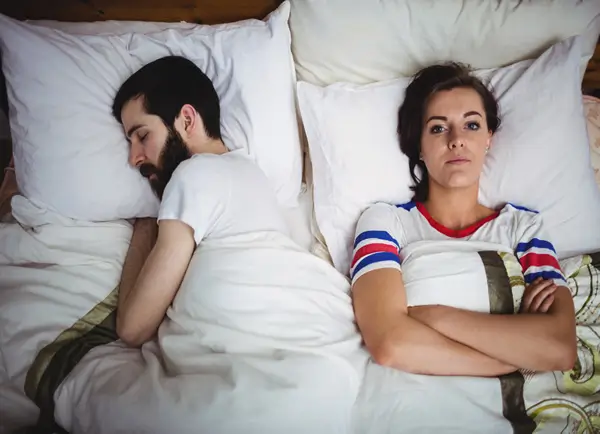
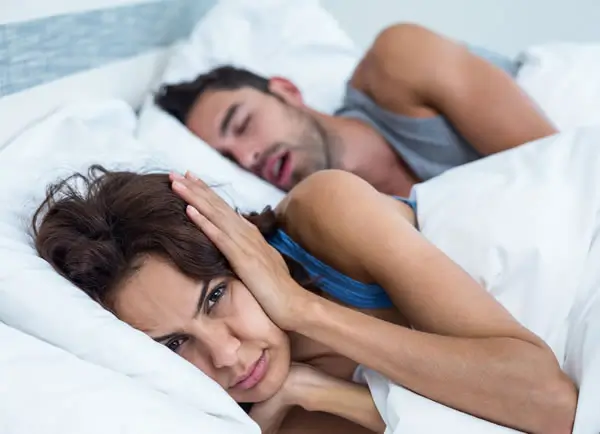
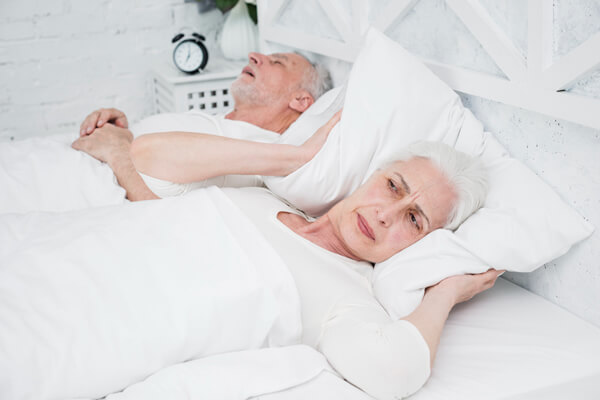
- Loud Snoring (often noticed by a bed partner)
- Gasping or Choking for Air During Sleep
- Waking up Gasping
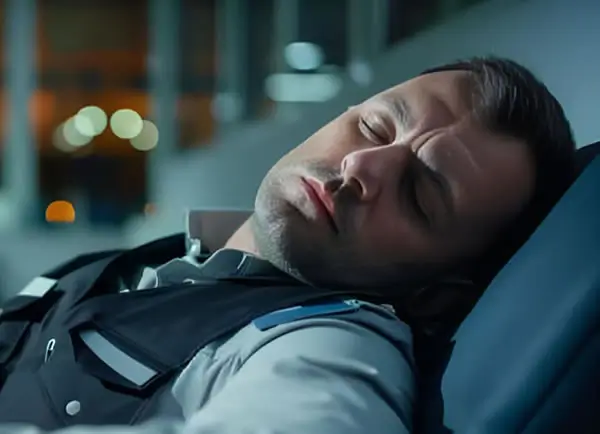
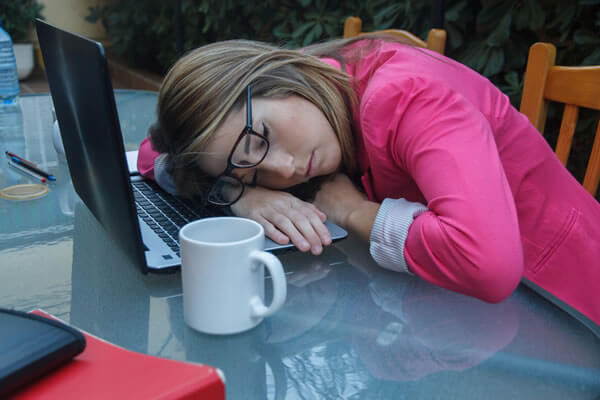
- Excessive Daytime Sleepiness or Fatigue
- Morning Headaches
- Dry Mouth or Sore Throat
- Difficulty Falling Asleep
- Difficulty Concentrating and Memory Issues
- Irritability and Mood Changes
If you or someone you know has these symptoms, it’s important to speak with a healthcare provider.
How is Sleep Apnea Diagnosed at NOVA Pulmonary?
Diagnosis typically involves:
- HSAT (Home Sleep Study):
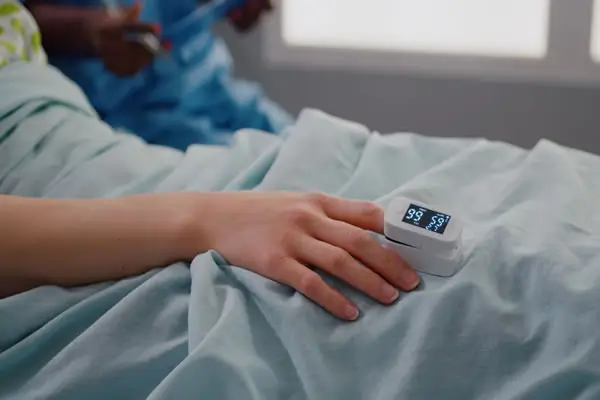
- A portable device you wear at home that records your breathing patterns, oxygen levels, and other vital metrics during sleep. It’s a convenient way to screen for sleep apnea.
- In-Lab Sleep Study (Polysomnography) (If Applicable):
- Conducted in a sleep center, this test monitors brain activity, heart rate, breathing, and muscle movements to assess sleep quality and diagnose sleep apnea.
- CPAP therapy
- Alternatives to CPAP

Treatment Options for Sleep Apnea
Your doctor will help determine the best diagnostic method based on your symptoms and medical history.Sleep consultation
Sleep Consultation
Meet with an experienced sleep specialist to discuss your symptoms, medical history, sleep patterns, and concerns such as snoring, fatigue, insomnia, or possible sleep apnea.
Home Sleep Study (HSAT): If appropriate, your provider may recommend a convenient home sleep study (HSAT) to monitor breathing, oxygen levels, and sleep patterns from the comfort of your home.
Diagnosis: Your sleep study results are carefully reviewed to determine whether you have sleep apnea or another sleep disorder and to assess the severity of the condition.
Personalized Treatment Plan: Based on your diagnosis, we develop a customized treatment plan that may include CPAP therapy, lifestyle recommendations, sleep hygiene guidance, or additional treatment options to help improve your sleep and overall health.
Treatment depends on the severity of your sleep apnea:
- Dental Appliances (Mandibular Advancement Devices): These devices help reposition the jaw to keep the airway open during sleep. They are often recommended for mild cases.
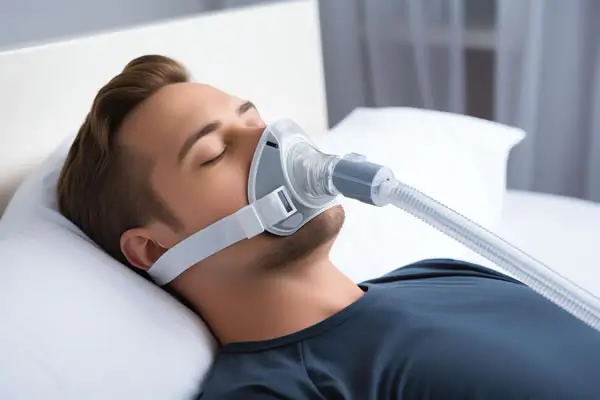
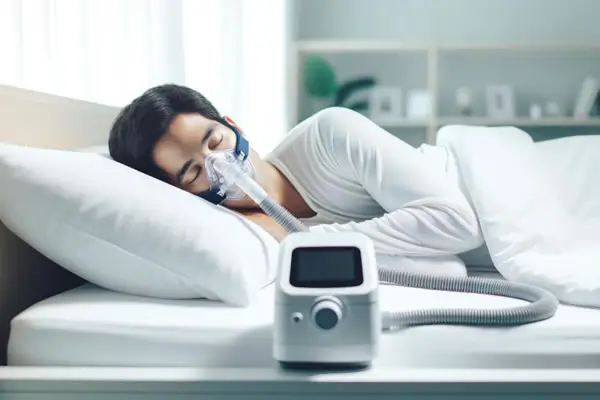
- Continuous Positive Airway Pressure (CPAP): A CPAP machine delivers a continuous stream of air through a mask to keep the airway open. It is the most effective treatment for mild to severe obstructive sleep apnea.
- Bilevel Positive Airway Pressure (BiPAP): Similar to CPAP but with two different pressure settings—one for inhalation and another for exhalation. It’s often used for patients who find CPAP uncomfortable or difficult to tolerate.
- Adaptive Servo-Ventilation (ASV): ASV is a type of positive airway pressure therapy designed specifically for patients with central sleep apnea.
Complications of Untreated Sleep Apnea
Untreated sleep apnea can lead to serious health complications, including:
- High Blood Pressure (Hypertension)
- Heart Disease (including heart failure, atrial fibrillation)
- Stroke
- Type 2 Diabetes
- Daytime Fatigue, leading to impaired performance and a higher risk of accidents (especially while driving)
- Depression and Mood Disorders
- Cognitive Impairment (memory problems, difficulty concentrating)
Seeking treatment is essential to prevent these complications and improve your overall health.
Snoring and Sleep Apnea
Occasional snoring can be common, but loud, frequent snoring may be a sign of obstructive sleep apnea (OSA), a serious sleep disorder that causes breathing to repeatedly stop and restart during sleep. OSA occurs when the airway becomes partially or completely blocked, reducing oxygen levels and disrupting normal sleep patterns. Many people with sleep apnea are unaware they have the condition and may only notice symptoms such as daytime fatigue, morning headaches, difficulty concentrating, or waking up feeling unrested.
You should consider getting tested for sleep apnea if you experience symptoms such as loud snoring, choking or gasping during sleep, excessive daytime sleepiness, high blood pressure, restless sleep, or if a family member notices pauses in your breathing at night. Untreated sleep apnea can increase the risk of heart disease, stroke, diabetes, and other health complications, making early diagnosis and treatment important.
At NOVA Pulmonary Critical Care and Sleep Associates, we offer convenient Home Sleep Apnea Testing (HSAT) for eligible patients. A home sleep study allows you to monitor your breathing, oxygen levels, and sleep patterns from the comfort of your own home while still providing valuable diagnostic information. Our sleep specialists carefully review your results and create a personalized treatment plan to help improve your sleep quality, energy levels, and overall health.
Taking Action: Talk to Your Healthcare Provider
If you experience symptoms of sleep apnea or suspect you may have it, consult your healthcare provider. Proper diagnosis and treatment can significantly improve your sleep quality and prevent serious health problems.
Resources for Further Information:
Remember: Don’t wait to seek help if you suspect you have sleep apnea. Early diagnosis and treatment can significantly improve your quality of life and prevent serious health complications.

General Sleep Apnea FAQs
What is sleep apnea?
Sleep apnea is a sleep disorder where breathing repeatedly stops and starts during sleep.
What are the main types of sleep apnea?
The three main types are Obstructive Sleep Apnea (OSA), Central Sleep Apnea (CSA), and complex sleep apnea syndrome.
How common is sleep apnea?
Sleep apnea affects millions of adults, many of whom remain undiagnosed.
What causes sleep apnea?
OSA is caused by airway blockage, while CSA is related to the brain failing to send proper breathing signals.
Is sleep apnea dangerous?
Yes, untreated sleep apnea can lead to serious health complications over time.
Symptoms & Warning Signs
What are the symptoms of sleep apnea?
Common symptoms include loud snoring, gasping for air, headaches, and excessive daytime sleepiness.
Does everyone who snores have sleep apnea?
No, but loud and chronic snoring is a major warning sign.
Can sleep apnea cause fatigue?
Yes, poor sleep quality often leads to chronic tiredness and low energy.
What does sleep apnea feel like at night?
People may experience choking, gasping, or restless sleep.
Can sleep apnea cause morning headaches?
Yes, reduced oxygen levels during sleep may contribute to morning headaches.
When should I see a doctor for sleep apnea?
You should see a sleep specialist if you experience persistent snoring, daytime fatigue, choking or gasping during sleep, or breathing interruptions noticed by a family member.
Diagnosis & Testing
How is sleep apnea diagnosed?
Sleep apnea is diagnosed through a sleep study that evaluates breathing, oxygen levels, and sleep patterns.
Do I need a sleep study?
If you have symptoms such as loud snoring, excessive daytime sleepiness, morning headaches, or witnessed pauses in breathing during sleep, your doctor may recommend a sleep study to determine if you have sleep apnea.
Can sleep apnea be diagnosed at home?
Yes, home sleep apnea tests are available for certain patients and can often be completed from the comfort of home.
Is a home sleep test accurate?
For many patients with suspected obstructive sleep apnea, a Home Sleep Apnea Test (HSAT) can provide accurate and reliable diagnostic information when interpreted by a sleep specialist.
What is a sleep study?
A sleep study monitors breathing, oxygen levels, heart rate, and other sleep-related data during sleep.
Do I need a doctor to diagnose sleep apnea?
Yes, a qualified medical professional must interpret your sleep study results and confirm the diagnosis.
What happens if sleep apnea goes undiagnosed?
Untreated sleep apnea may worsen over time and increase the risk of serious health complications.
Do you accept insurance?
Most major insurance plans are accepted. Patients should contact NOVA Pulmonary Critical Care and Sleep Associates to verify current insurance participation and coverage details.
Treatment Options
What is the most common treatment for sleep apnea?
CPAP therapy is one of the most common and effective treatments for sleep apnea.
How does a CPAP machine work?
A CPAP machine delivers steady air pressure to help keep the airway open during sleep.
Are there alternatives to CPAP therapy?
Yes, treatment options may include oral appliances, lifestyle changes, positional therapy, or surgery depending on the severity of the condition.
Can sleep apnea be cured?
In some cases, weight loss, lifestyle modifications, or surgical treatment may significantly reduce or eliminate symptoms.
Are oral appliances effective for sleep apnea?
Yes, oral appliances can be effective for patients with mild to moderate obstructive sleep apnea.
What happens after diagnosis?
After diagnosis, your sleep specialist will review your results and create a personalized treatment plan that may include CPAP therapy, oral appliance therapy, lifestyle recommendations, or additional follow-up care.
Health Risks & Complications
Can sleep apnea cause heart problems?
Yes, sleep apnea is associated with an increased risk of cardiovascular disease.
Is sleep apnea related to high blood pressure?
Yes, untreated sleep apnea may contribute to hypertension.
Can sleep apnea increase stroke risk?
Yes, untreated sleep apnea can increase the risk of stroke.
Does sleep apnea affect mental health?
Yes, poor sleep quality may contribute to anxiety, depression, mood changes, and difficulty concentrating.
Is sleep apnea linked to diabetes?
Yes, sleep apnea has been associated with an increased risk of type 2 diabetes.
Lifestyle & Prevention
Can weight loss help sleep apnea?
Yes, losing excess weight may help reduce airway obstruction and improve symptoms.
Does sleeping position matter?
Yes, sleeping on your side may help improve airflow and reduce snoring or breathing interruptions.
Can alcohol worsen sleep apnea?
Yes, alcohol relaxes the throat muscles and may worsen sleep apnea symptoms.
How can I prevent sleep apnea?
Maintaining a healthy weight, avoiding alcohol before bedtime, practicing good sleep hygiene, and seeking medical evaluation for symptoms may help reduce risk.
Patients from across Northern Virginia—including Vienna, Tysons, McLean, Falls Church, Fairfax, Ashburn, and Leesburg—regularly visit NOVA Pulmonary Critical Care and Sleep Associates for comprehensive sleep disorder evaluation and treatment. Our sleep specialists provide thorough assessments for conditions such as sleep apnea, snoring, insomnia, and other sleep-related breathing disorders, offering both in-office consultations and convenient home sleep study (HSAT) options when appropriate. With personalized care plans tailored to each patient, we help individuals across the region improve sleep quality, restore daytime energy, and support long-term respiratory and cardiovascular health.
Office Locations
Conveniently located near you in Dulles, Leesburg, (Loudoun County) and Vienna, (Fairfax County), VA
NOVA Pulmonary – Dulles
24430 Stone Springs Boulevard
Suite 550
Dulles, VA 20166
NOVA Pulmonary – Lansdowne
19415 Deerfield Avenue
Suite 301
Lansdowne, VA 20176
Meet the team at NOVA Pulmonary Critical Care and Sleep Associates

Dr. Aditya N Dubey, M.D, F.C.C.P. – Founder
Specialty:
Pulmonary, Critical Care and Sleep Medicine
Board Certified by American Board of Internal Medicine in the Subspecialities of Pulmonary Medicine, Critical Care Medicine and Sleep Medicine. Learn more about Dr. Dubey

Dr. Petra Thomas, M.D.
Specialty:
Pulmonary Medicine
Board Certified by American Board of Internal Medicine in the Subspecialities of Pulmonary Medicine. Learn more about Dr. Thomas

Dr. Esha Kapania, M.D.
Specialty:
Pulmonary Medicine
Board Certified by American Board of Internal Medicine in the Subspecialities of Pulmonary Medicine. Learn more about Dr. Kapania

Dr. Arman Murabia, M.D.
Specialty:
Pulmonary, Critical Care and Sleep Medicine
Board Certified by American Board of Internal Medicine in the Subspecialities of Pulmonary Medicine, Critical Care Medicine and Sleep Medicine. Learn more about Dr. Murabia

Dr. Zara Martirosyan, MD
Specialty:
Sleep Medicine & Internal Medicine Specialist
Board-certified physician in both Sleep medicine and Internal medicine. Learn more about Dr. Martirosyan

Rebekah Lee, AGNP-C, Lead APP
Nurse Practitioner. Learn more about Rebekah Lee

Paulos Abebe PA-C
Physician Assistant Learn more about Paulos Abebe PA-C

Katie Cameron, PA
Physician Assistant Learn more about Katie Cameron, PA-C