DOCTOR DISCUSSION GUIDE:
Lung Nodules
It helps to be prepared for your discussion with your doctor and healthcare team. Here are some sample questions that you could ask that might help you better understand your lung nodule(s) and your care plan.
- Can you explain to me the features of my lung nodule(s) and if there are any concerning characteristics?
- Will my lung nodules cause pain or other symptoms?
- Do I have older imaging available for comparison?
- Is there concern that my lung nodule may be cancerous?
If I have a family history of cancer, especially lung cancer, should I be concerned?
If I am a former or current smoker, or exposed to secondhand smoke frequently, should I be concerned?
- My radiology report said that my lung nodule was What does that mean?
- Why was I referred to a pulmonologist or should I be referred to a pulmonologist?
- What is the treatment or management path you are considering for me?
If recommending waiting for next CT scan, for how long until my next screening?
If recommending biopsy or surgery, how quickly?
What are the potential side effects or consequences of this path?
What is the recovery of a biopsy or surgery?
What would happen if I do nothing?
- Should I consider further imaging like a PET scan or screening?
- Are there tests available that can help guide our treatment or management path?
- Are you familiar with Nodify Lung® blood-based lung nodule testing? Am I a candidate for this type of testing? Why or why not?
- If I am a candidate for Nodify testing, what are the next steps to ensure that my blood sample is sent to Biodesix labs for testing?
- Will Nodify testing be covered by my insurance or Medicare or should I contact Biodesix Customer Care and Financial Support to talk about affordable coverage through the Biodesix Assist Financial Support Program™ at (866) 432-5930.
- Are there any additional resources that you would recommend I review to learn more about my options?
- Are there any questions I’ve missed?
- What do my caregiver(s) or support people need to know?


Lung Nodules FAQs | NOVA Pulmonary
What are lung nodules?
Lung nodules are small, round or oval growths in the lungs that are often found incidentally on chest X-rays or CT scans. Most nodules are benign (non-cancerous), but some may require further evaluation to rule out Lung Cancer.
What causes lung nodules?
Lung nodules can be caused by a variety of factors, including:
- Previous infections such as Pneumonia or Tuberculosis
- Inflammation from conditions like Sarcoidosis
- Scar tissue from past lung injury
- Benign tumors
- Early-stage lung cancer
Are lung nodules cancerous?
Most lung nodules are not cancerous. However, a small percentage may represent early Lung Cancer, which is why careful monitoring and evaluation are important.
What size lung nodule is concerning?
Nodules smaller than 6 mm are usually considered low risk, while larger nodules (especially over 8 mm) may require closer monitoring or additional testing.
What are the symptoms of lung nodules?
Most lung nodules do not cause symptoms. When symptoms do occur, they may include:
- Persistent cough
- Shortness of breath
- Chest discomfort
These symptoms are often related to underlying lung conditions rather than the nodule itself.
How are lung nodules detected?
Lung nodules are typically found during imaging tests such as:
- Chest X-rays
- CT (computed tomography) scans
CT scans provide more detailed images and are commonly used for follow-up.
How are lung nodules evaluated?
Evaluation may include:
- Reviewing your medical history and risk factors
- Monitoring with repeat imaging
- PET scans for metabolic activity
- Biopsy if cancer is suspected
How often should lung nodules be monitored?
Follow-up depends on the size, appearance, and risk factors. Some nodules require periodic CT scans over time to ensure they are not growing.
Can lung nodules go away on their own?
Yes, some nodules caused by infections or inflammation may shrink or disappear over time without treatment.
What is the treatment for lung nodules?
Treatment depends on the cause. Benign nodules may only require monitoring, while suspicious nodules may need biopsy or surgical removal.
Who is at higher risk for lung nodules?
Risk factors include:
- Smoking history
- Older age
- Exposure to environmental toxins
- Personal or family history of Lung Cancer
When should I see a pulmonologist for lung nodules?
You should consult a specialist at NOVA Pulmonary if:
- A nodule is found on imaging
- You have risk factors for lung cancer
- You experience ongoing respiratory symptoms
Resources from other Patient Advocacy Groups:
Office Locations
Conveniently located near you in Dulles, Leesburg, (Loudoun County) and Vienna, (Fairfax County), VA
NOVA Pulmonary – Dulles
24430 Stone Springs Boulevard
Suite 550
Dulles, VA 20166
NOVA Pulmonary – Lansdowne
19415 Deerfield Avenue
Suite 301
Lansdowne, VA 20176
Meet the team at NOVA Pulmonary Critical Care and Sleep Associates

Dr. Aditya N Dubey, M.D, F.C.C.P. – Founder
Specialty:
Pulmonary, Critical Care and Sleep Medicine
Board Certified by American Board of Internal Medicine in the Subspecialities of Pulmonary Medicine, Critical Care Medicine and Sleep Medicine. Learn more about Dr. Dubey

Dr. Petra Thomas, M.D.
Specialty:
Pulmonary Medicine
Board Certified by American Board of Internal Medicine in the Subspecialities of Pulmonary Medicine. Learn more about Dr. Thomas

Dr. Esha Kapania, M.D.
Specialty:
Pulmonary Medicine
Board Certified by American Board of Internal Medicine in the Subspecialities of Pulmonary Medicine. Learn more about Dr. Kapania

Dr. Arman Murabia, M.D.
Specialty:
Pulmonary, Critical Care and Sleep Medicine
Board Certified by American Board of Internal Medicine in the Subspecialities of Pulmonary Medicine, Critical Care Medicine and Sleep Medicine. Learn more about Dr. Murabia

Dr. Zara Martirosyan, MD
Specialty:
Sleep Medicine & Internal Medicine Specialist
Board-certified physician in both Sleep medicine and Internal medicine. Learn more about Dr. Martirosyan

Rebekah Lee, AGNP-C, Lead APP
Nurse Practitioner. Learn more about Rebekah Lee

Paulos Abebe PA-C
Physician Assistant Learn more about Paulos Abebe PA-C

Katie Cameron, PA
Physician Assistant Learn more about Katie Cameron, PA-C
Pulmonary Testing
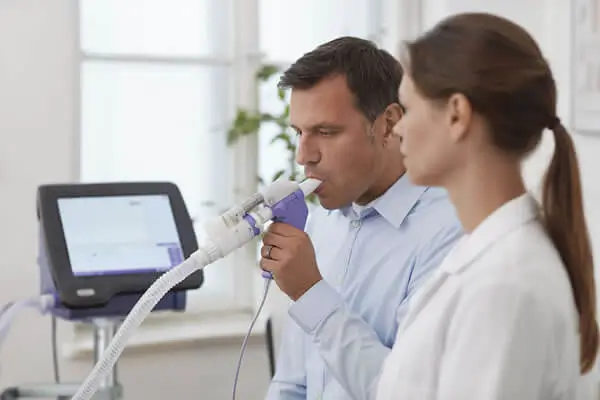
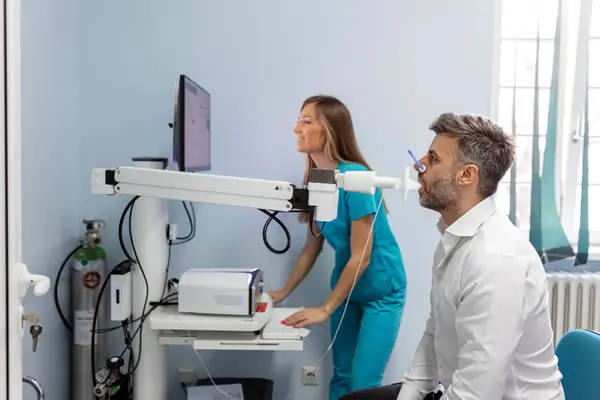

Cardiopulmonary Exercise Test (CPET)