
Snoring may seem harmless, but it can be an early warning sign of Sleep Apnea, a condition that affects breathing during sleep and increases the risk of heart disease, stroke, and high blood pressure. One of the most common questions patients ask a Sleep specialist is can losing weight improve snoring and sleep apnea?
The short answer is yes for many people; weight loss can significantly reduce symptoms. But the full answer is more nuanced. Not all snoring is caused by excess weight, and not all cases of sleep apnea resolve with weight loss alone.
At Nova Pulmonary and Sleep, our board-certified pulmonologist and sleep physician work with patients across Vienna, VA, Leesburg, VA, Ashburn, VA, Fairfax, VA, Tysons Corner, VA, Chantilly, VA, South Riding, VA, Broadlands, VA, Brambleton, VA, and Purcellville, VA to evaluate sleep concerns and provide individualized treatment plans. Below, we explain how weight impacts sleep apnea, what the research shows, and when to seek evaluation from a lung specialist.
Understanding Snoring and Obstructive Sleep Apnea
Snoring occurs when airflow is partially blocked during sleep, causing vibrations in the throat. While occasional snoring may not indicate a serious problem, persistent loud snoring, especially with pauses in breathing, may signal Obstructive Sleep Apnea (OSA).
OSA happens when the upper airway repeatedly collapses during sleep, leading to reduced oxygen levels and frequent awakenings. Common symptoms include:
- Loud snoring
- Daytime fatigue
- Morning headaches
- Difficulty concentrating
- Waking up gasping or choking
- Shortness of breath during the night
If untreated, sleep apnea is associated with high blood pressure, heart rhythm disorders, diabetes, and even worsening Asthma or COPD symptoms.
The Link Between Weight and Sleep Apnea
Excess body weight is one of the strongest risk factors for obstructive sleep apnea.
Why Does Weight Matter?
Weight contributes to sleep apnea in several ways:
- Fat deposition around the neck and throat narrows the airway.
- Increased abdominal fat reduces lung volume, increasing the likelihood of airway collapse.
- Obesity can alter muscle tone and breathing control during sleep.
According to data from the National Institutes of Health, approximately 70% of people with obstructive sleep apnea are overweight or obese. Studies show that even a 10% increase in weight can increase the severity of sleep apnea.
Conversely, weight loss has been shown to significantly improve symptoms.
What Does the Research Say?
Several well-designed studies have evaluated the impact of weight loss on sleep apnea:
- A landmark study published in The American Journal of Respiratory and Critical Care Medicine found that a 10% reduction in body weight was associated with approximately a 26% decrease in the apnea-hypopnea index (AHI), the measure used to diagnose sleep apnea.
- The Sleep AHEAD study demonstrated that an intensive lifestyle intervention and weight loss significantly reduced OSA severity compared with standard care.
- In some cases, moderate weight loss has led to complete resolution of mild sleep apnea.
However, it is important to understand that weight loss does not cure all cases. Patients with anatomical airway narrowing, large tonsils, or certain jaw structures may continue to experience sleep apnea even after significant weight reduction.
That is why evaluation by a qualified Sleep specialist remains essential.
Can Weight Loss Reduce Snoring Alone?
Yes. For individuals whose snoring is primarily related to excess tissue around the airway, weight loss often decreases airway resistance and vibration.
Many patients report:
- Reduced snoring volume
- Fewer breathing pauses
- Improved sleep quality
- Less daytime fatigue
But if snoring is accompanied by choking, gasping, or severe daytime sleepiness, it should not be managed solely with lifestyle changes. A sleep study may be necessary to determine whether sleep apnea is present.
When Weight Loss Is Not Enough
Although weight plays a major role, other factors contribute to snoring and sleep apnea:
- Structural airway anatomy
- Nasal obstruction
- Smoking
- Alcohol use
- Family history
- Underlying lung disease
Patients with chronic respiratory conditions such as Asthma, COPD, interstitial lung disease (ILD), or a history of Lung Cancer or Lung nodule evaluation may experience more complex breathing patterns during sleep.
Additionally, symptoms such as chronic Cough or persistent shortness of breath should not be attributed solely to sleep apnea. A comprehensive evaluation by a pulmonologist ensures that both lung and sleep conditions are properly assessed.

A Comprehensive Approach to Treatment
At Nova Pulmonary and Sleep, treatment plans are individualized based on diagnostic testing and the patient’s medical history. Options may include:
-
Weight Management Support
Lifestyle modifications, including nutrition and physical activity, are encouraged when appropriate. Even modest weight reduction can produce measurable improvement.
-
CPAP Therapy
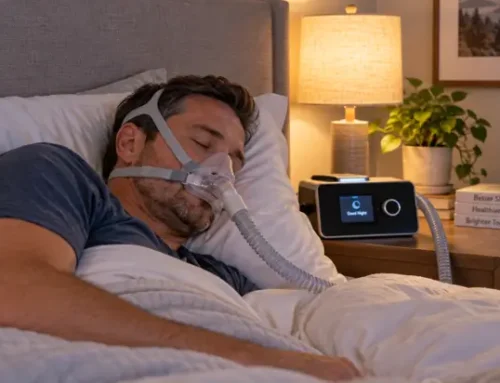
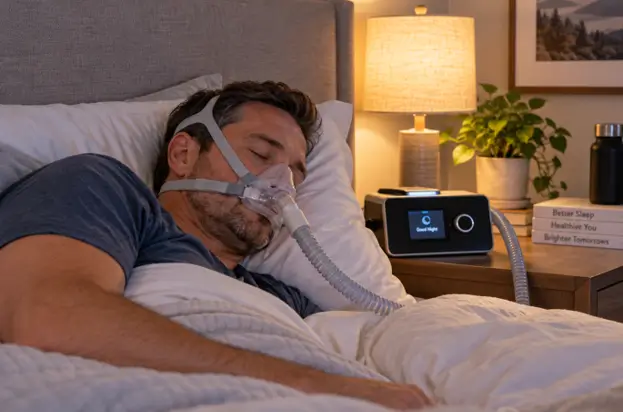
Continuous Positive Airway Pressure (CPAP) remains the most effective treatment for moderate-to-severe sleep apnea. CPAP keeps the airway open during sleep and reduces cardiovascular risk.
-
Oral Appliance Therapy
For mild cases, dental devices may help reposition the jaw to reduce airway collapse.
-
Positional Therapy
Some patients experience apnea primarily when sleeping on their backs.
-
Treatment of Underlying Lung Conditions
Managing Asthma, COPD, or other respiratory issues improves nighttime breathing and overall sleep quality.
The Broader Health Benefits of Weight Loss
Beyond sleep apnea improvement, weight loss provides significant pulmonary and cardiovascular benefits:
- Improved lung function
- Reduced strain on respiratory muscles
- Lower risk of hypertension
- Reduced inflammation
- Better blood sugar control
Patients with chronic lung diseases often experience improved exercise tolerance and reduced respiratory symptoms with weight optimization.
However, weight loss should be medically supervised, particularly for individuals with existing respiratory disease, a history of Lung Cancer, or an ongoing evaluation of a Lung nodule.
Should You Get Tested for Sleep Apnea?
You should consider evaluation by a Sleep specialist if you experience:
- Loud nightly snoring
- Witnessed breathing pauses
- Excessive daytime sleepiness
- Morning headaches
- Difficulty staying asleep
- Uncontrolled high blood pressure
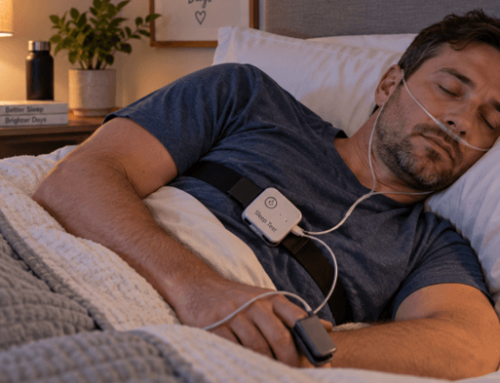
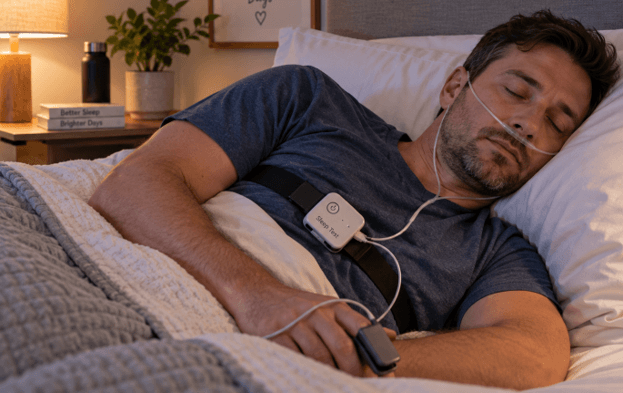
A sleep study, either in-lab or home-based, can determine the severity of OSA and guide treatment decisions.
Early diagnosis is important. Untreated sleep apnea increases the risk of cardiovascular disease, stroke, metabolic disorders, and complications in patients with underlying lung conditions.
Sleep Apnea in Northern Virginia
Residents of Vienna, VA, Leesburg, VA, Ashburn, VA, Broadlands, VA, Brambleton, VA, Fairfax, VA, Tysons Corner, VA, Chantilly, VA, South Riding, VA, and Purcellville, VA often seek care for snoring and sleep concerns after years of disrupted rest.
Because sleep apnea overlaps with many pulmonary conditions, seeing a board-certified pulmonologist who is also a Sleep specialist allows for integrated care. This is particularly important for patients with:
- Chronic Cough
- Persistent shortness of breath
- Known COPD or Asthma
- History of smoking
- Concerns about Lung Cancer screening
An integrated approach ensures that sleep disorders are not treated in isolation from lung health.
Key Takeaways
- Excess weight is a major risk factor for obstructive sleep apnea.
- Even a 5–10% reduction in body weight can significantly improve symptoms.
- Weight loss may reduce snoring and mild sleep apnea, but it does not cure all cases.
- A comprehensive evaluation by a qualified Sleep specialist is essential.
- Treating underlying lung conditions improves overall respiratory health.

Take the Next Step Toward Better Sleep and Lung Health
If you are struggling with Snoring, suspected Sleep Apnea, chronic Cough, shortness of breath, or other lung concerns, professional evaluation can make a meaningful difference in your health and quality of life.
At Nova Pulmonary and Sleep, we provide expert care for sleep disorders and respiratory conditions across Northern Virginia. Our experienced pulmonologist and sleep physician offers comprehensive evaluation and personalized treatment plans tailored to your needs.
To learn more or schedule an appointment, visit http://www.novapulmonary.com or explore additional educational resources on our blog at https://novapulmonary.com/news/.
Better sleep starts with informed care.