Sleep apnea is often dismissed as loud snoring or restless sleep. But research shows it can directly affect your heart. If left untreated, obstructive sleep apnea (OSA) increases the risk of high blood pressure, heart rhythm problems, stroke, and heart failure.
At Nova Pulmonary and Sleep, patients across Vienna, VA, Leesburg, VA, Ashburn, VA, Fairfax, VA, Tysons Corner, VA, Chantilly, VA, Purcellville, VA, South Riding, VA, Broadlands, VA, and Brambleton, VA seek care not just for snoring but for the serious health issues connected to it. Understanding the relationship between sleep apnea and heart health can help you recognize symptoms early and seek appropriate treatment from a pulmonologist or sleep specialist.
What Is Obstructive Sleep Apnea?
Obstructive sleep apnea occurs when the airway repeatedly collapses during sleep, temporarily blocking airflow. These breathing pauses may last 10 seconds or longer and can occur dozens or even hundreds of times per night.
Common symptoms include:
- Loud snoring
- Gasping or choking during sleep
- Morning headaches
- Daytime fatigue
- Difficulty concentrating
- Waking with dry mouth
- Shortness of breath at night
While snoring is common, repeated airway obstruction is not harmless. Each breathing pause reduces blood oxygen levels. Your body briefly wakes you to help you breathe again. These repeated disruptions stress both the lungs and the heart.
How Sleep Apnea Affects the Heart
The connection between sleep apnea and cardiovascular disease is well-documented. According to the American Heart Association, obstructive sleep apnea is associated with hypertension, atrial fibrillation, coronary artery disease, stroke, and heart failure.
Here’s why.
-
Oxygen Drops and Blood Pressure Spikes
During an apnea episode, oxygen levels fall. The body responds by releasing stress hormones such as adrenaline. This triggers a rise in heart rate and blood pressure.
When this happens night after night, it can lead to:
- Persistent high blood pressure (hypertension)
- Increased strain on the heart muscle
- Thickening of the heart walls
Studies published in the Journal of the American College of Cardiology have shown that untreated moderate to severe sleep apnea significantly increases the risk of developing hypertension.
-
Irregular Heart Rhythms (Arrhythmias)
Sleep apnea has a strong association with atrial fibrillation, a common irregular heartbeat that increases stroke risk. Repeated oxygen drops can disrupt the heart’s electrical system.
Research indicates that patients with untreated sleep apnea are more likely to experience recurrent atrial fibrillation even after treatment procedures such as cardioversion or ablation.
-
Increased Risk of Stroke
Low oxygen levels and elevated blood pressure can damage blood vessels over time. According to data from the National Institutes of Health, people with severe obstructive sleep apnea have a significantly higher risk of stroke compared to those without the condition.
The risk remains even after adjusting for other factors such as smoking, obesity, or diabetes.
-
Heart Failure
Repeated nighttime stress can weaken the heart muscle. In patients with existing heart disease, untreated sleep apnea can worsen heart failure.
The repeated pressure changes inside the chest during apnea episodes increase the workload on the heart. Over time, this strain may reduce the heart’s ability to pump efficiently.
Who Is at Risk?
Sleep apnea affects both men and women and can occur at any age. However, certain factors increase risk:
- Obesity
- Large neck circumference
- Family history
- Smoking
- Nasal congestion
- Alcohol use before bed
- Chronic lung conditions such as asthma or COPD
If you already experience shortness of breath, chronic cough, or lung disease, evaluation by a lung specialist is especially important. Patients with COPD or asthma may have overlapping breathing disturbances during sleep that further increase cardiovascular risk.
Why Early Diagnosis Matters
Many adults ignore snoring or daytime fatigue for years. Unfortunately, untreated sleep apnea often progresses. Over time, the cumulative stress on the cardiovascular system can lead to long-term complications.
The good news is that sleep apnea is treatable. Early intervention reduces cardiovascular risk and improves overall health.
A sleep specialist or pulmonologist can perform a comprehensive evaluation that may include:
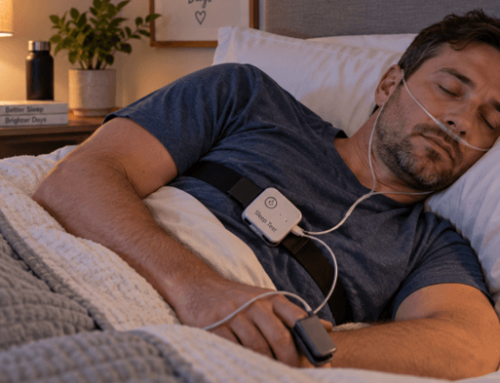
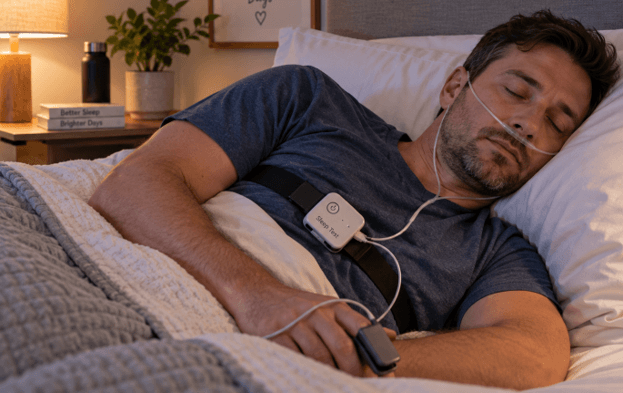
- Sleep study (in-lab or home testing)
- Pulmonary function testing
- Evaluation for asthma or COPD
- Assessment of chronic cough or shortness of breath
In some cases, imaging studies may be recommended if concerns about lung nodules or lung cancer arise during evaluation.

Treatment Options That Protect the Heart
Effective sleep apnea treatment reduces strain on the heart and lowers blood pressure.
Continuous Positive Airway Pressure (CPAP)
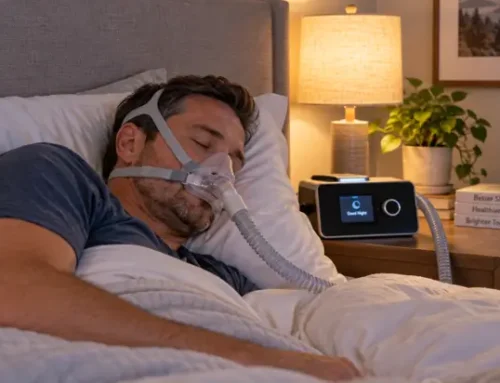
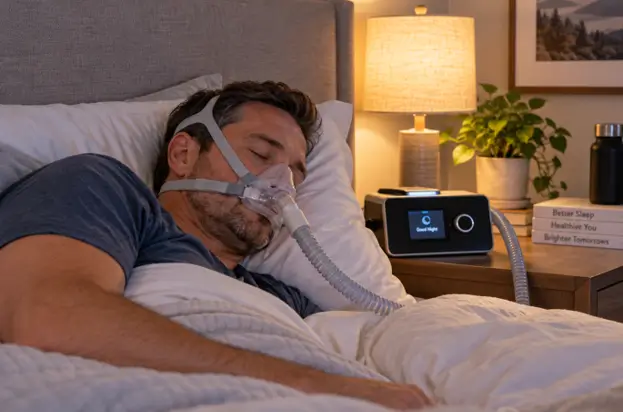
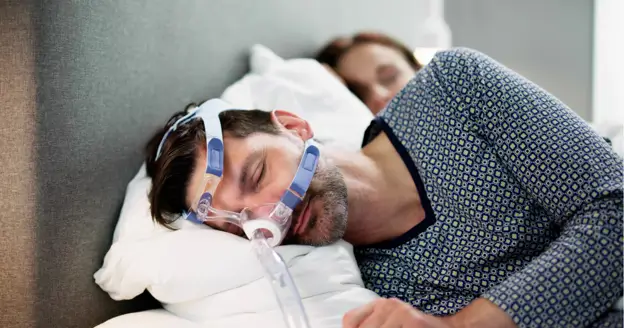
CPAP therapy remains the gold standard treatment for moderate to severe obstructive sleep apnea. It delivers steady air pressure to keep the airway open during sleep.
Research shows that consistent CPAP use can:
- Lower blood pressure
- Improve heart function
- Reduce the risk of recurrent atrial fibrillation
- Improve daytime alertness
Oral Appliances
For mild to moderate cases, dental devices may help reposition the jaw to keep the airway open.
Weight Management
Even modest weight loss can significantly reduce the severity of sleep apnea and lower cardiovascular risk.
Smoking Cessation
Smoking worsens airway inflammation and increases the risk of both lung cancer and cardiovascular disease. Quitting smoking improves lung health and reduces sleep-disordered breathing.
Overlapping Lung and Heart Symptoms
Many patients seek care for shortness of breath, chronic cough, or fatigue without realizing that sleep apnea may be contributing.
Sleep apnea can coexist with:
- Asthma
- COPD
- Interstitial lung disease (ILD)
- Lung nodules
- Lung cancer
If you live in Vienna, VA, Ashburn, VA, Leesburg, VA, Fairfax, VA, Tysons Corner, VA, South Riding, VA, Broadlands, VA, Brambleton, VA, Chantilly, VA, or Purcellville, VA, and experience persistent respiratory symptoms, a comprehensive evaluation by a pulmonologist is important.
Addressing sleep apnea may improve not only sleep quality but also daytime breathing symptoms.
When Should You See a Sleep Specialist?
You should consider evaluation if you experience:
- Loud snoring with pauses in breathing
- Waking, gasping for air
- Morning headaches
- Unexplained fatigue
- Resistant high blood pressure
- Atrial fibrillation
- Persistent cough or shortness of breath
Even younger adults (18+) can develop sleep apnea, particularly if they have risk factors such as obesity or family history.
The Broader Health Impact
Sleep apnea does not only affect the heart. It is associated with:
- Type 2 diabetes
- Cognitive decline
- Mood disorders
- Reduced immune function
By improving sleep quality and oxygen levels, treatment supports overall lung health and cardiovascular stability.
For patients already diagnosed with asthma, COPD, or other lung disorders, managing sleep apnea can significantly improve quality of life and long-term outcomes.
Protecting Your Heart Starts with Better Sleep
Sleep apnea is common, but it is not harmless. Repeated oxygen drops, blood pressure spikes, and nighttime stress can quietly damage the heart over time.
Fortunately, proper diagnosis and treatment can reverse many of these risks.
If you live in Northern Virginia and are concerned about snoring, chronic cough, shortness of breath, or other lung issues, scheduling an evaluation with a pulmonologist or sleep specialist is an important first step.

Take the Next Step Toward Better Sleep and Heart Health
At Nova Pulmonary and Sleep, we provide comprehensive evaluation and treatment for sleep apnea, asthma, COPD, lung nodules, lung cancer concerns, and chronic cough. Our goal is to address both sleep and lung health to protect your heart and overall well-being.
If you are located in Vienna, VA, Leesburg, VA, Ashburn, VA, Fairfax, VA, Tysons Corner, VA, Chantilly, VA, Purcellville, VA, South Riding, VA, Broadlands, VA, or Brambleton, VA, we invite you to learn more or request an appointment at: http://www.novapulmonary.com
Better sleep can mean better heart health. Early evaluation makes a difference.