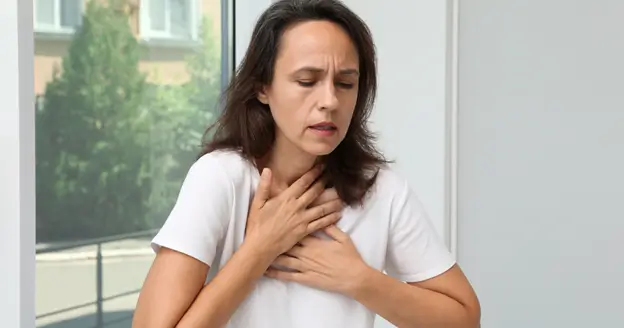
Feeling short of breath can be unsettling. For some people, it happens suddenly. For others, it develops gradually over months or even years. While occasional breathlessness after exercise is normal, persistent or unexplained shortness of breath may signal an underlying lung or sleep-related condition.
At Nova Pulmonary and Sleep, patients across Vienna, VA, Leesburg, VA, South Riding, VA, Ashburn, VA, Broadlands, VA, Brambleton, VA, Fairfax, VA, Tysons Corner, VA, Chantilly, VA, and Purcellville, VA seek answers when breathing becomes difficult. Understanding the common causes and the diagnostic tests that help uncover them is the first step toward effective treatment.
What Is Shortness of Breath?
Shortness of breath, also called dyspnea, is the sensation that you cannot get enough air. It may feel like:
- Tightness in the chest
- Rapid or shallow breathing
- Air hunger
- Increased effort when breathing
- Waking up gasping at night
It can occur with exertion, at rest, or during sleep. Identifying patterns is important. A pulmonologist or lung specialist evaluates both symptoms and test results to determine the root cause.
Common Lung-Related Causes
1. Asthma
Asthma is a chronic condition where the airways become inflamed and narrowed. Symptoms include:
- Wheezing
- Cough
- Chest tightness
- Shortness of breath
According to the Centers for Disease Control and Prevention (CDC), asthma affects over 25 million people in the United States. Proper diagnosis is essential because untreated asthma can worsen over time.
Tests that help diagnose asthma:
- Spirometry: Measures airflow obstruction and reversibility
- Bronchodilator response testing: Determines improvement after inhaled medication
- Fractional exhaled nitric oxide (FeNO): Assesses airway inflammation in certain cases
A pulmonologist interprets these results to confirm the diagnosis and guide treatment.
2. COPD (Chronic Obstructive Pulmonary Disease)
COPD includes chronic bronchitis and emphysema. It is often linked to smoking, but can also occur from long-term environmental exposure.
Symptoms include:
- Progressive shortness of breath
- Chronic cough
- Mucus production
The American Lung Association notes that COPD is a leading cause of death in the U.S., but early detection can slow progression.
Diagnostic tests for COPD:
- Spirometry: Key test for diagnosis
- Full pulmonary function tests (PFTs): Measure lung volumes and gas exchange
- Chest X-ray or CT scan: Evaluate lung structure
Smoking cessation is critical. A lung specialist can also assess whether oxygen therapy or inhaled medications are needed.
3. Interstitial Lung Disease (ILD)
Interstitial lung disease refers to a group of disorders that cause scarring of lung tissue. This scarring reduces oxygen transfer.
Symptoms often include:
- Gradual shortness of breath
- Dry cough
- Fatigue
Tests used for ILD:
- High-resolution CT scan
- Pulmonary function testing
- Oxygen saturation measurement
- Occasionally lung biopsy
Because ILD can progress quietly, early evaluation by a pulmonologist is important.
4. Lung Cancer or Lung Nodules
Shortness of breath can sometimes be linked to lung cancer or a lung nodule discovered on imaging.
A lung nodule is a small spot on the lung that is often found incidentally during imaging for other reasons. Most nodules are benign, but evaluation is necessary.
Tests may include:
- CT scan of the chest
- PET scan in selected cases
- Bronchoscopy
- Needle biopsy
The U.S. Preventive Services Task Force recommends annual low-dose CT screening for high-risk smokers, as early detection improves outcomes.
Sleep-Related Causes of Breathlessness
Obstructive Sleep Apnea
Shortness of breath at night or waking up gasping may point to Sleep Apnea.
Obstructive sleep apnea occurs when the airway repeatedly collapses during sleep. Symptoms include:
- Loud snoring
- Pauses in breathing
- Morning headaches
- Daytime fatigue
Research published in the American Journal of Respiratory and Critical Care Medicine shows that untreated sleep apnea increases the risk of high blood pressure, heart disease, and stroke.
Diagnostic test:
- Sleep study (polysomnography), either in-lab or at home
A Sleep specialist evaluates the results and recommends treatment such as CPAP therapy.
Other Possible Causes
While lung and sleep conditions are common reasons for shortness of breath, other medical conditions can contribute:
- Heart disease
- Anemia
- Deconditioning
- Anxiety
- Obesity
A thorough evaluation ensures the correct cause is identified.

What Pulmonary Tests Can Reveal
1. Spirometry
This is the most common breathing test. It measures how much air you can exhale and how quickly you can exhale it.
Spirometry helps diagnose:
- Asthma
- COPD
- Airflow obstruction
2. Full Pulmonary Function Testing
These more detailed tests measure:
- Lung volumes
- Diffusion capacity (oxygen transfer)
- Air trapping
They help distinguish between obstructive and restrictive lung disease.
3. Chest Imaging
- Chest X-ray: Basic structural overview
- CT scan: Detailed imaging of lung tissue, nodules, or scarring
CT imaging is especially helpful when evaluating lung nodules or suspected lung cancer.
4. Oxygen Testing
- Pulse oximetry
- Arterial blood gas
These tests determine how well oxygen is reaching the bloodstream.
5. Sleep Studies
Sleep studies measure:
- Breathing patterns
- Oxygen levels
- Heart rate
- Brain activity during sleep
They confirm obstructive sleep apnea and other sleep-related breathing disorders.
When to See a Pulmonologist
You should consider seeing a pulmonologist or lung specialist if you experience:
- Persistent shortness of breath
- Chronic cough lasting more than 8 weeks
- Wheezing
- Unexplained fatigue
- Snoring with daytime sleepiness
- A newly discovered lung nodule
Early evaluation can prevent complications and improve quality of life.
Why Early Diagnosis Matters
Shortness of breath is a symptom, not a diagnosis. Identifying the underlying cause allows for targeted treatment.
For example:
- Asthma can often be well controlled with inhaled medications.
- COPD progression can be slowed with early intervention and smoking cessation.
- Lung cancer outcomes improve with early detection.
- Sleep apnea treatment can reduce cardiovascular risks.
Timely testing ensures appropriate care.
Care in Northern Virginia
Residents of Vienna, VA, Leesburg, VA, South Riding, VA, Ashburn, VA, Broadlands, VA, Brambleton, VA, Fairfax, VA, Tysons Corner, VA, Chantilly, VA, and Purcellville, VA have access to specialized pulmonary and sleep evaluation through Nova Pulmonary and Sleep.
A combined focus on lung health and sleep medicine allows for a comprehensive approach, especially when symptoms overlap.

Take the Next Step Toward Easier Breathing
If you are experiencing shortness of breath, persistent cough, snoring, or concerns about asthma, COPD, lung nodules, or sleep apnea, evaluation is the first step toward clarity.
At Nova Pulmonary and Sleep, our goal is to provide thorough, evidence-based care tailored to each patient’s needs. From advanced pulmonary function testing to sleep studies, we help identify the cause and develop a personalized treatment plan.
Learn more or schedule an appointment at http://www.novapulmonary.com
Breathing should not feel like a struggle. A proper diagnosis can make a meaningful difference in your daily life.