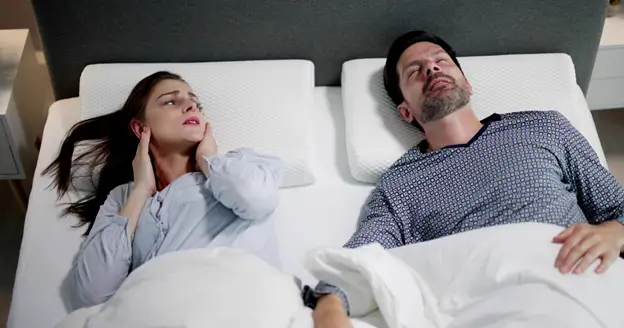
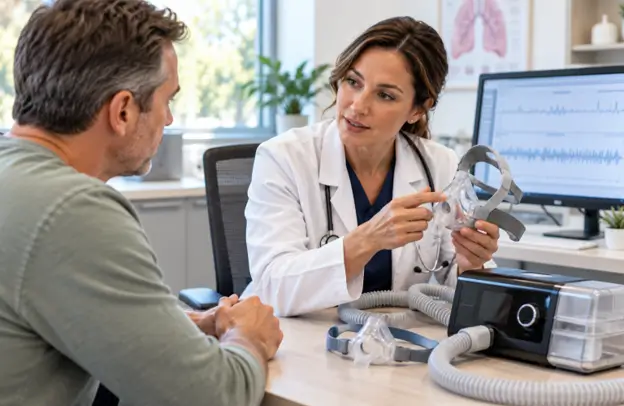
If you’ve been diagnosed with obstructive sleep apnea (OSA), chances are your sleep specialist recommended continuous positive airway pressure (CPAP) therapy. CPAP remains the gold standard treatment for moderate to severe sleep apnea because it effectively keeps the airway open throughout the night. However, not everyone finds it easy to use.
If you’re struggling with your CPAP machine, you’re not alone. Studies estimate that many patients experience challenges with long-term CPAP adherence due to discomfort, mask leaks, dry mouth, or difficulty sleeping with the device. The good news is that CPAP isn’t the only option. Depending on the reason it’s not working, there may be adjustments or alternative treatments that better fit your needs.
At Nova Pulmonary and Sleep, our experienced sleep specialists help patients throughout Vienna, Ashburn, Fairfax, Leesburg, Chantilly, Broadlands, Brambleton, South Riding, Tysons Corner, and Purcellville, Virginia, find personalized solutions for sleep apnea.
Is CPAP Really Not Working?
Before giving up on CPAP, it’s important to determine whether the therapy is truly ineffective or simply needs adjustment.
Common signs include:
- You still wake up feeling exhausted.
- Loud snoring continues despite CPAP use.
- Your machine frequently reports high apnea events.
- You cannot tolerate wearing the mask.
- Air leaks wake you during the night.
- Dry mouth, nasal congestion, or skin irritation make treatment uncomfortable.
- You remove the mask while sleeping without realizing it.
Sometimes the issue isn’t the machine itself but the settings, mask fit, or pressure requirements.
A study published in Sleep Medicine Reviews found that proper education, mask fitting, and follow-up significantly improve long-term CPAP success and patient adherence.
Common Reasons CPAP Stops Helping
Poor Mask Fit
An ill-fitting mask can leak air, reduce therapy effectiveness, and disturb sleep.
Different mask styles include:
- Nasal masks
- Nasal pillow masks
- Full-face masks
Trying another style often improves comfort.
Pressure Settings Need Adjustment
Weight changes, aging, medications, or new medical conditions can alter how much pressure your airway needs.
Your sleep specialist may recommend:
- Pressure adjustments
- Auto-adjusting CPAP (APAP)
- Bi-level PAP (BiPAP)
Never change pressure settings without medical guidance.
Dryness or Nasal Congestion
Dry air can cause:
- Nose irritation
- Congestion
- Nosebleeds
- Dry throat
Adding heated humidification or treating allergies often improves comfort.
Equipment Problems
CPAP equipment wears out.
Common issues include:
- Worn cushions
- Stretched headgear
- Dirty filters
- Cracked tubing
Replacing supplies on schedule helps maintain effective treatment.
Lifestyle Changes That Can Improve Sleep Apnea
Sometimes CPAP works better when combined with healthy lifestyle changes.
These may include:
Weight Management
Excess body weight can narrow the upper airway.
Research published in the New England Journal of Medicine demonstrated that weight reduction significantly improved obstructive sleep apnea severity in many overweight patients.
Even modest weight loss may reduce breathing interruptions.
Sleep Position
Some people experience sleep apnea primarily when sleeping on their back.
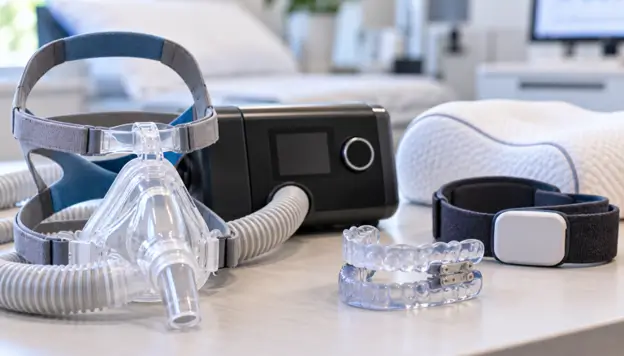
Positional therapy encourages side sleeping using:
- Specialty pillows
- Positional alarms
- Wearable devices
This approach works best for positional sleep apnea.
Avoid Alcohol Before Bed
Alcohol relaxes throat muscles, making airway collapse more likely.
Limiting alcohol several hours before bedtime may reduce nighttime breathing events.
Quit Smoking
Smoking increases inflammation in the airway.
Patients with sleep apnea who also have COPD, asthma, chronic cough, or shortness of breath may benefit from smoking cessation programs recommended by their pulmonologist.
Alternative Treatments If CPAP Isn’t Right for You
If CPAP remains difficult despite adjustments, several other treatments may be appropriate.
Oral Appliance Therapy
Custom oral appliances reposition the jaw to keep the airway open.
These devices are often recommended for:
- Mild sleep apnea
- Some moderate sleep apnea
- Patients unable to tolerate CPAP
A dentist specially trained in dental sleep medicine typically fits these appliances.
BiPAP Therapy
Bi-level Positive Airway Pressure provides:
- Higher pressure during inhalation
- Lower pressure during exhalation
Many patients who struggle exhaling against CPAP find BiPAP more comfortable.
It is also commonly used in patients with certain lung diseases, including advanced COPD, under physician supervision.
Inspire Therapy (Hypoglossal Nerve Stimulation)
Some patients qualify for implantable nerve stimulation therapy.
This treatment works by stimulating muscles that help keep the airway open during sleep.
Candidates generally include adults who:
- Have moderate to severe obstructive sleep apnea
- Cannot tolerate CPAP
- Meet specific body mass index and airway evaluation criteria
Your sleep specialist can determine whether you’re a candidate.
Surgery
Surgery is typically considered only after conservative treatments have been explored.
Procedures may include:
- Removal of enlarged tonsils
- Nasal surgery
- Soft palate procedures
- Jaw advancement surgery
The appropriate procedure depends on the specific cause of airway obstruction.
When Additional Sleep Testing Is Needed
If CPAP suddenly seems ineffective, your physician may recommend another sleep study.
Reasons include:
- Significant weight changes
- Persistent daytime fatigue
- Continued snoring
- Machine data showing ongoing apnea
- Suspected central sleep apnea
Repeat testing helps determine whether treatment adjustments are needed.
A clinical practice guideline from the American Academy of Sleep Medicine supports follow-up evaluation when symptoms persist despite therapy.
Why Treating Sleep Apnea Matters
Untreated sleep apnea affects more than sleep quality.
It has been associated with increased risks of:
- High blood pressure
- Heart disease
- Stroke
- Type 2 diabetes
- Daytime sleepiness
- Motor vehicle accidents
- Reduced concentration
Managing sleep apnea may improve both daily functioning and long-term health.
Choosing the Right Sleep Apnea Treatment
Every patient is different.
Your treatment depends on factors including:
- Severity of sleep apnea
- Medical history
- Weight
- Airway anatomy
- Comfort preferences
- Other conditions such as asthma, COPD, or chronic lung disease
Working closely with both a sleep specialist and pulmonologist ensures that treatment addresses your overall respiratory health rather than focusing only on nighttime symptoms.
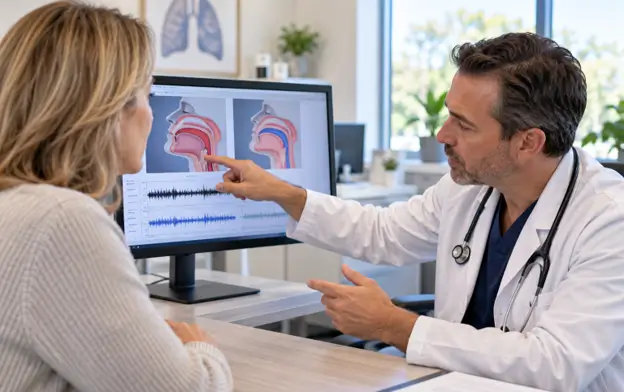
When Should You See a Sleep Specialist?
Schedule an evaluation if you:
- Cannot tolerate CPAP
- Continue snoring loudly
- Wake up gasping
- Feel excessively sleepy during the day
- Notice worsening fatigue
- Have witnessed breathing pauses during sleep
- Have existing lung disease alongside sleep problems
Prompt evaluation can help identify a treatment that better fits your needs.
Find the Right Sleep Apnea Treatment at Nova Pulmonary and Sleep
If CPAP isn’t providing the relief you expected, don’t assume you’re out of options. The physicians at Nova Pulmonary and Sleep provide comprehensive evaluations and personalized treatment plans for obstructive sleep apnea, snoring, and other sleep-related breathing disorders.
Whether you need CPAP adjustments, advanced testing, or alternative therapies, our team is here to help patients throughout Vienna, Leesburg, South Riding, Ashburn, Broadlands, Brambleton, Fairfax, Tysons Corner, Chantilly, and Purcellville, VA.
Learn more or schedule an appointment today at http://www.novapulmonary.com.