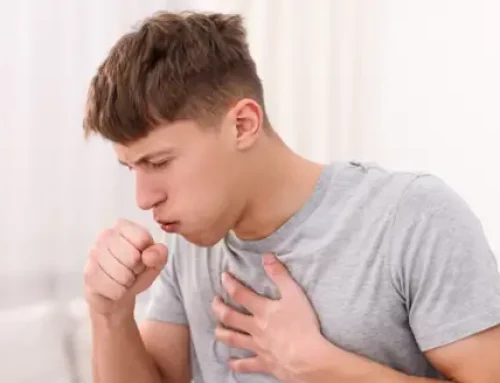

Many people are surprised to learn they have a lung nodule after undergoing a chest X-ray or CT scan for another reason. While hearing the word “nodule” can be alarming, not all lung nodules are cancerous. However, smoking remains one of the most significant risk factors for developing lung abnormalities, including nodules that require careful monitoring.
At Nova Pulmonary and Sleep, our experienced team of pulmonologists and sleep specialists helps patients throughout Vienna, Leesburg, South Riding, Ashburn, Broadlands, Brambleton, Fairfax, Tysons Corner, Chantilly, and Purcellville, Virginia, understand their lung health through advanced evaluation, imaging interpretation, and personalized treatment plans. Whether you’re experiencing a persistent cough, shortness of breath, COPD, Asthma, or concerns about Lung Cancer, early evaluation is essential.
What Is a Lung Nodule?
A lung nodule is a small, round or oval growth within the lung tissue. Most nodules measure less than 3 centimeters (about 1.2 inches) in diameter and are often discovered incidentally during imaging performed for unrelated reasons.
Lung nodules can develop from several causes, including:
- Previous lung infections
- Scar tissue
- Inflammatory conditions
- Benign tumors
- Exposure to environmental irritants
- Early-stage Lung Cancer
Fortunately, research shows that most small lung nodules are benign. However, determining whether a nodule requires monitoring or additional testing depends on several important factors.
How Smoking Increases the Risk of Lung Nodules
Smoking exposes the lungs to thousands of chemicals, including dozens known to cause cancer. Over time, repeated exposure damages lung tissue and increases inflammation.
This ongoing damage may contribute to:
- Chronic irritation of lung tissue
- Formation of scar tissue
- Changes in normal cell growth
- Increased likelihood of abnormal lung lesions
- Higher risk of developing malignant nodules
Current smokers and former smokers often have a greater chance of developing lung nodules compared with individuals who have never smoked.
The risk generally increases with:
- Number of years spent smoking
- Number of cigarettes smoked daily
- Total pack-year history
- Continued tobacco exposure
Even after quitting, former smokers may still require periodic screening depending on their age and smoking history.
Are All Lung Nodules Cancer?
No.
Most lung nodules are not cancerous. According to studies published by the American College of Chest Physicians (CHEST) and the Fleischner Society, many small pulmonary nodules represent healed infections, inflammation, or other benign conditions.
Several features help physicians estimate cancer risk:
Nodule Size
Larger nodules generally have a higher chance of malignancy than very small nodules.
Shape
Smooth, well-defined nodules are often less concerning than irregular or spiculated nodules.
Growth Over Time
Stable nodules that remain unchanged over multiple years are usually less likely to represent cancer.
Smoking History
Smoking significantly increases the likelihood that a suspicious nodule will require additional evaluation.
Age
Older adults generally carry a greater risk than younger patients.
Symptoms May Not Appear
One reason lung nodules are often discovered accidentally is that they rarely cause symptoms when small.
However, smoking-related lung disease may produce symptoms such as:
- Persistent cough
- Shortness of breath
- Chest discomfort
- Wheezing
- Coughing up blood
- Fatigue
These symptoms do not necessarily indicate a lung nodule or Lung Cancer, but they should always be evaluated by a qualified lung specialist.
When Should You Be Concerned?
Finding a lung nodule should not immediately cause panic. Instead, it should prompt appropriate medical evaluation.
Your physician will typically review:
- Your smoking history
- Family history of lung disease
- Previous imaging studies
- Occupational exposures
- Medical history
- CT scan characteristics
Depending on these findings, recommendations may include:
- Routine CT surveillance
- PET scan
- Additional imaging
- Biopsy
- Referral for surgical evaluation if necessary
Following evidence-based guidelines helps reduce unnecessary procedures while identifying potentially dangerous nodules early.
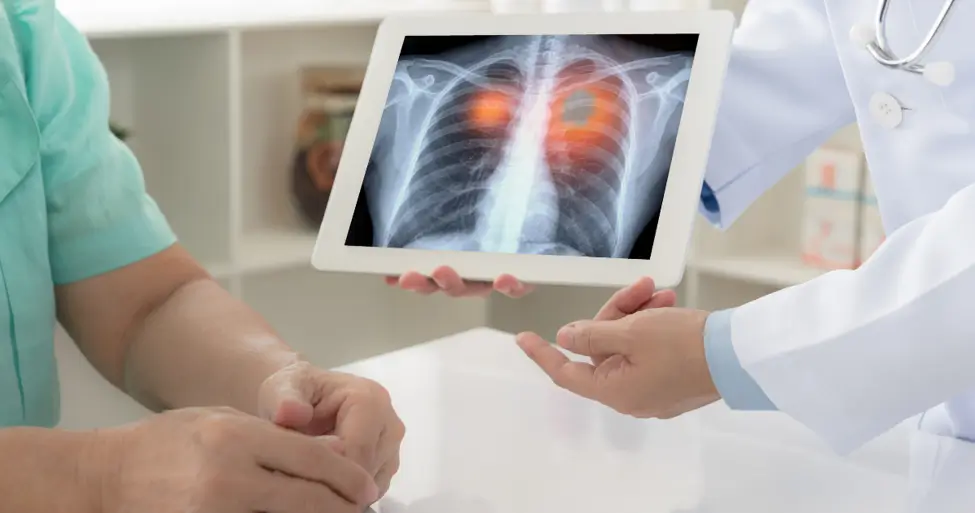
The Importance of Lung Cancer Screening
For people with significant smoking histories, annual low-dose CT screening has become an important tool for early detection.
The U.S. Preventive Services Task Force (USPSTF) recommends annual low-dose CT screening for adults who:
- Are between the ages of 50 and 80
- Have at least a 20 pack-year smoking history
- Currently smoke or quit within the past 15 years
Studies, including the National Lung Screening Trial (NLST), have shown that low-dose CT screening can reduce deaths from Lung Cancer by detecting disease at earlier, more treatable stages.
A pulmonologist can determine whether screening is appropriate based on your individual risk factors.
Smoking and Other Lung Conditions
Smoking affects far more than lung nodules.
It remains one of the leading causes of:
COPD
COPD causes progressive airflow limitation that can make breathing increasingly difficult. Symptoms often include chronic cough, mucus production, and worsening shortness of breath.
Asthma
Although Asthma has many triggers, smoking frequently worsens airway inflammation and reduces treatment effectiveness.
Chronic Bronchitis
Persistent inflammation causes an ongoing cough and mucus production.
Emphysema
Smoking gradually destroys air sacs responsible for oxygen exchange, making everyday activities increasingly difficult.
These conditions can also complicate the evaluation of lung nodules because damaged lung tissue may contain multiple abnormalities requiring expert interpretation.
Smoking Can Also Affect Sleep Health
Many patients do not realize that smoking also impacts sleep quality.
Smoking increases inflammation throughout the airway and may contribute to:
- Increased snoring
- Airway irritation
- Poor sleep quality
- Greater risk of Sleep Apnea
Individuals with Sleep Apnea frequently experience repeated pauses in breathing during sleep, leading to fatigue, daytime sleepiness, headaches, and cardiovascular complications if left untreated.
A qualified Sleep specialist can evaluate symptoms through comprehensive sleep testing and recommend appropriate treatment options.
Quitting Smoking Still Makes a Difference
It is never too late to stop smoking.
Research consistently demonstrates that smoking cessation reduces the risk of:
- Future lung damage
- Lung cancer progression
- COPD worsening
- Cardiovascular disease
- Stroke
Former smokers also experience gradual improvements in lung function and overall respiratory health over time.
While previous exposure cannot be erased, quitting remains one of the most effective steps for protecting long-term health.
When Should You See a Pulmonologist?
You should consider scheduling an evaluation with a pulmonologist if you have:
- A newly discovered lung nodule
- Persistent cough
- Ongoing shortness of breath
- Abnormal chest imaging
- History of smoking
- Family history of Lung Cancer
- Recurrent lung infections
- Symptoms of COPD or Asthma
Early evaluation allows physicians to determine whether monitoring, additional testing, or treatment is appropriate.
Why Choose Nova Pulmonary and Sleep?
At Nova Pulmonary and Sleep, patients receive comprehensive care from experienced specialists dedicated to diagnosing and managing complex respiratory and sleep conditions.
Serving patients throughout Vienna, Leesburg, South Riding, Ashburn, Broadlands, Brambleton, Fairfax, Tysons Corner, Chantilly, and Purcellville, Virginia, the practice provides individualized care for:
- Lung nodules
- Lung Cancer evaluation
- COPD
- Asthma
- Chronic cough
- Shortness of breath
- Smoking cessation support
- Sleep Apnea
- Snoring
- Other pulmonary and sleep disorders
Our goal is to help patients better understand their diagnosis while providing evidence-based care tailored to their unique needs.

Take the Next Step Toward Better Lung Health
If you’ve recently learned you have a lung nodule, have a history of smoking, or are experiencing ongoing breathing concerns, don’t wait to seek expert evaluation. Early assessment can provide reassurance, identify potential problems sooner, and help guide the most appropriate care.
Nova Pulmonary and Sleep proudly serves patients across Vienna, Leesburg, South Riding, Ashburn, Broadlands, Brambleton, Fairfax, Tysons Corner, Chantilly, and Purcellville, VA. Visit www.novapulmonary.com to schedule an appointment with an experienced pulmonologist or Sleep specialist and take an informed step toward protecting your long-term lung and sleep health.