Snoring is often dismissed as an annoying habit, especially by bed partners who bear the brunt of sleepless nights. But medically, it can be an essential indicator of underlying health conditions that deserve attention. At Nova Pulmonary and Sleep, our sleep specialists work with patients across Vienna, Leesburg, Ashburn, Chantilly, Fairfax, and other parts of Northern Virginia to identify the root causes of snoring and offer evidence-based treatment.
This blog post takes an educational look at why we snore, how it can be linked to conditions like sleep apnea, and what you can do about it with help from a pulmonologist or sleep specialist.
What Is Snoring?
Snoring occurs when airflow through the mouth or nose is partially blocked during sleep, causing the surrounding tissues to vibrate. This vibration produces the familiar, often disruptive sound known as snoring. While nearly everyone snores occasionally, chronic or loud snoring can be a sign of something more serious.
Who Is Most Likely to Snore?
According to the American Academy of Sleep Medicine, nearly 40% of adult men and 24% of adult women snore regularly. Certain factors increase the likelihood of snoring:
Age
Muscle tone in the throat decreases with age.
Sex
Men are more likely to snore due to narrower airways.
Weight
Excess weight contributes to restricted airflow.
Family History
Genetic factors can predispose you to snoring or sleep apnea.
Alcohol or Sedative Use
These substances relax the throat muscles.
Nasal Congestion
Allergies, colds, or a deviated septum can obstruct airflow.
Common Causes of Snoring
-
Obstructive Sleep Apnea (OSA)
One of the most serious causes of snoring is obstructive sleep apnea, a disorder in which the airway becomes completely blocked for brief periods during sleep. People with OSA may snore loudly and experience repeated episodes of gasping or choking.
Up to 80% of moderate to severe OSA cases go undiagnosed, according to the National Sleep Foundation.
If you or your partner notice loud snoring combined with daytime fatigue, mood swings, or difficulty concentrating, it’s essential to consult a sleep specialist.
-
Poor Muscle Tone During Sleep
Relaxed muscles in the throat and tongue can collapse into the airway. This commonly happens with age, alcohol use, or sedative medications.
-
Obesity or Excess Neck Fat
Fatty tissue around the throat can narrow the airway. Even a modest weight gain can increase the risk of snoring or sleep apnea.
-
Nasal and Sinus Issues
A deviated septum, chronic sinusitis, or allergies can restrict airflow through the nose, forcing you to breathe through your mouth, which increases the likelihood of snoring.
- Sleep Position
Back-sleeping causes the tongue and soft palate to collapse backward into the airway. Sleeping on your side often reduces snoring.
When Should You Be Concerned About Snoring?
Snoring alone is not necessarily dangerous. However, chronic, loud snoring accompanied by other symptoms may signal a serious health concern, such as:
- Sleep apnea
- Chronic obstructive pulmonary disease (COPD)
- Asthma or other respiratory conditions
- Lung nodules or undiagnosed lung disorders
If you experience any of the following, it’s time to consult a pulmonologist or sleep specialist:
- Waking up gasping or choking
- Witnessed pauses in breathing
- Morning headaches
- Persistent fatigue or brain fog
- Irritability or mood swings
- High blood pressure
How a Sleep Specialist Diagnoses the Cause of Snoring
At Nova Pulmonary and Sleep, our board-certified sleep physicians use a combination of tools and evaluations to understand your snoring pattern:
Sleep Study (Polysomnography)
This test records your brain waves, blood oxygen levels, heart rate, breathing, and muscle activity during sleep. It can be done either in a sleep lab or at home, depending on your symptoms and insurance.
Pulmonary Function Testing
For patients with asthma, COPD, or other respiratory concerns, pulmonary function tests help determine if your lungs are contributing to the problem.
Imaging and ENT Evaluation
If nasal obstructions are suspected, CT scans or referrals to an ENT specialist may be necessary.
Proven Solutions for Snoring
Once a diagnosis is made, your physician will create a treatment plan tailored to your condition. Here are some of the most effective, evidence-based solutions:
-
Continuous Positive Airway Pressure (CPAP)
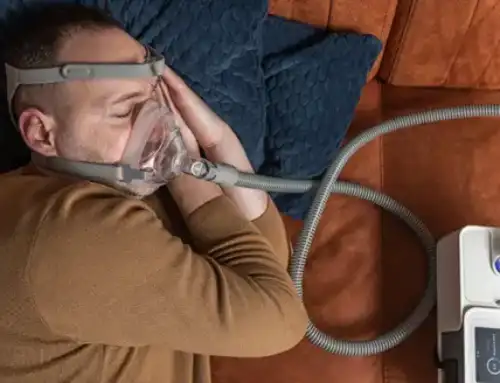
CPAP is the gold standard treatment for obstructive sleep apnea. It delivers a steady stream of air to keep your airway open during sleep. Patients often see an immediate reduction in snoring and improvement in sleep quality.
-
Oral Appliances
Custom-fitted devices reposition the lower jaw or tongue to prevent airway collapse. These are often recommended for mild to moderate sleep apnea or positional snoring.
-
Weight Management
Losing just 10% of body weight can dramatically reduce snoring and sleep apnea symptoms.
A study published in the American Journal of Respiratory and Critical Care Medicine found that weight loss improved OSA severity in over 70% of patients.
-
Nasal Strips or Dilators
These are non-invasive options that work by improving nasal airflow, especially for those with congestion or a deviated septum.
-
Positional Therapy
Some people snore only when sleeping on their backs. Positional therapy helps train the body to sleep on its side using wearable devices or pillows.
-
Treating Underlying Conditions
Snoring may improve when treating associated respiratory conditions like:
- Asthma
- Chronic bronchitis
- Allergic rhinitis
- Lung nodules or early-stage lung cancer
Lifestyle Modifications That Help
- Avoid alcohol or sedatives 3–4 hours before bedtime
- Establish regular sleep routines
- Quit smoking (it inflames the airway and worsens snoring)
- Elevate the head of your bed by a few inches
- Use a humidifier if the air is dry
These changes can significantly enhance your quality of sleep and overall lung health.
Snoring in Women: Often Overlooked
Women are less likely to report snoring, and healthcare providers may be less likely to screen them for sleep apnea. However, hormonal changes during pregnancy or menopause can increase the risk of snoring and sleep-disordered breathing.
If you’re a woman experiencing fatigue, insomnia, or new-onset snoring, it’s worth a discussion with a sleep specialist.
How Pulmonologists and Sleep Specialists Work Together
Snoring doesn’t exist in isolation; it often intersects with other respiratory or sleep disorders. At Nova Pulmonary and Sleep, we bring together lung specialists and sleep physicians to deliver holistic care.
We treat conditions such as:
- Asthma
- COPD
- Interstitial lung disease (ILD)
- Sleep apnea
- Lung cancer
- Unexplained shortness of breath
This integrated approach ensures that you receive accurate diagnoses and effective treatment under one roof.
Target Locations We Serve
If you live in or around:
- Vienna, VA
- Leesburg, VA
- Ashburn, VA
- South Riding, VA
- Fairfax, VA
- Chantilly, VA
- Tysons Corner, VA
- Brambleton, VA
- Broadlands, VA
- Purcellville, VA
…Nova Pulmonary and Sleep is your trusted partner for pulmonary care and sleep solutions.

Take Snoring Seriously — Your Health Depends on It
When Snoring Is a Symptom, Not Just a Sound
Snoring isn’t just a nighttime inconvenience; it can be a red flag for underlying sleep or lung disorders. Whether you’re concerned about sleep apnea, asthma, or just want to improve your sleep quality, a proper evaluation is the first step toward better health.
At Nova Pulmonary and Sleep, we provide expert care that blends science-backed treatments with compassionate support. If you or a loved one is struggling with snoring, don’t ignore it. Schedule an appointment with our team of sleep specialists and pulmonologists today.
Learn more or book a consultation at www.novapulmonary.com