Advanced Asthma Care: Biologic Therapy in Vienna
Advanced Treatment for Better Asthma Control
For many patients living with asthma, inhalers and standard medications are enough to manage symptoms. However, for those with moderate to severe asthma that remains uncontrolled, biologic therapy offers a powerful, targeted solution.
Biologic medications are targeted therapies that work by blocking specific inflammatory pathways involved in asthma. Unlike traditional medications, biologics are designed to treat the underlying immune processes that trigger airway inflammation.
At Nova Pulmonary in Vienna, we specialize in advanced asthma treatments, including biologic therapy, to help patients breathe easier and regain control of their lives.
NOVA Pulmonary Critical Care and Sleep Associates
📍 Vienna Office
124 Park Street SE, Suite 203
Vienna, VA 22180
Map it
📞 571-367-0000
Office Hours:
Mon – Fri: 9:00AM – 5:00PM
Sat & Sun: Closed
What Is Biologic Therapy?
Biologic therapy is an advanced treatment designed for patients with severe asthma. Unlike traditional medications that broadly reduce inflammation, biologic medications target specific immune system pathways responsible for airway inflammation.
These therapies work by blocking the proteins and cells that trigger asthma symptoms—especially in patients with allergic asthma or eosinophilic asthma.
Biologic medications are typically given as:
- Periodic injections
- Administered in a clinical setting or at home (depending on the medication)

Who Needs Biologic Therapy?
Biologic therapy may be recommended for patients who:
- Have moderate to severe asthma that is not well controlled with inhalers
- Experience frequent asthma attacks or flare-ups
- Rely on oral steroids for symptom control
- Have elevated markers of airway inflammation (such as high eosinophils or FeNO levels)
- Have allergic or eosinophilic asthma
If you continue to struggle with symptoms despite using prescribed inhalers, biologic therapy may be the next step.

Benefits of Biologic Therapy
Patients receiving biologic therapy often experience significant improvements, including:
- Reduced asthma attacks and flare-ups
- Improved breathing and lung function
- Decreased reliance on oral corticosteroids
- Better long-term asthma control
- Fewer emergency room visits and hospitalizations
This targeted approach addresses the root cause of inflammation rather than just treating symptoms.
How Biologic Therapy Is Evaluated
At Nova Pulmonary, we take a personalized and data-driven approach to determine if biologic therapy is right for you.
Your evaluation may include:
- Comprehensive symptom review
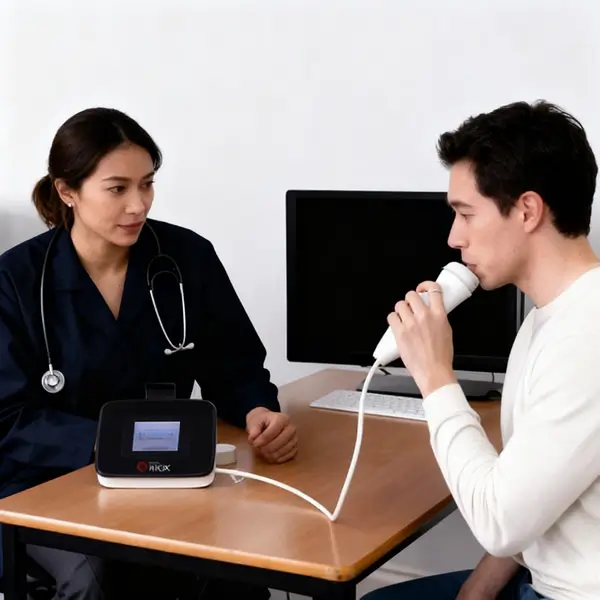
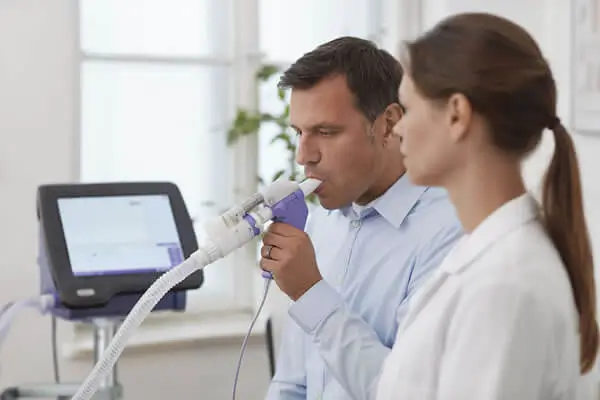
- Lung function testing (spirometry)
- Measurement of airway inflammation (such as FeNO testing)
- Blood tests to assess eosinophil levels
- Review of your current medications and treatment response
This detailed assessment ensures that biologic therapy is matched to your specific asthma type.
Personalized Asthma Care in Vienna, VA with Our Pulmonologists
At NOVA Pulmonary, our experienced pulmonologists in Vienna, VA provide personalized asthma care tailored to your unique needs. We develop customized treatment plans that combine:
- Advanced medications, including biologic therapy for severe asthma
- Pulmonary function testing, including spirometry, COPD tests, and asthma testing
- Comprehensive monitoring and follow-up care to track your progress
- Patient education and lifestyle guidance to manage triggers and optimize lung health
- Specialized testing such as peak flow monitoring, FeNO testing, and other relevant diagnostic assessments
Our goal is long-term asthma control, not just temporary relief. With our expert guidanc
Biologic Therapy for Severe Asthma in Vienna, VA — FAQs
- What is biologic therapy for severe asthma?
Biologic therapy uses targeted medications made from living organisms to block specific immune pathways that cause inflammation in severe asthma. - Who is a candidate for biologic therapy?
Biologics are typically recommended for patients with moderate to severe asthma who continue to have symptoms despite high‑dose inhaled corticosteroids and other controller medications. - How do biologic medicines for asthma work?
These therapies target specific molecules such as IgE or interleukins (IL‑5, IL‑4, IL‑13) involved in the inflammatory process, reducing asthma attacks and improving lung function. - How is biologic therapy administered?
Most biologics are given by subcutaneous injection or intravenous (IV) infusion, often monthly or every few weeks, depending on the medication. - Are biologic therapies safe?
Biologics for asthma are generally well‑tolerated. Common side effects may include injection site reactions and mild flu‑like symptoms. Your clinician will monitor you closely. - How quickly do biologics work?
Some patients notice improvements in symptoms and fewer exacerbations within weeks, but the timeline can vary based on the specific medication and individual response. - Will biologic therapy cure asthma?
Biologics help control severe asthma and reduce exacerbations, but they are not considered a cure. Long‑term therapy is often needed to maintain benefits. - How long will I need to stay on biologic therapy?
Treatment duration depends on your response. Some patients remain on biologics long‑term, while others may re‑evaluate with their clinician after sustained improvement. - Are biologic therapies covered by insurance?
Most biologic treatments are covered by insurance, but coverage varies. Your care team can assist with prior authorization and financial assistance options. - Can biologic therapy reduce steroid use?
Yes — many patients on biologics are able to reduce or eliminate the need for oral corticosteroids, which can lower long‑term side effect risks. - Do biologic therapies have side effects?
Side effects are generally mild and may include injection site irritation, headaches, or mild allergic reactions. Serious side effects are rare but should be discussed with your clinician. - Is testing required before starting biologic therapy?
Yes. Doctors often perform blood tests (e.g., eosinophil count, IgE levels) and assess your asthma history to choose the most appropriate biologic. - How often do I receive treatment?
Most biologics are administered every 2–8 weeks, depending on the medication and your asthma profile. - Can children receive biologic therapy for severe asthma?
Many biologics are FDA‑approved for pediatric use. Eligibility depends on age, severity, and asthma type. - What should I expect at my first biologic appointment?
Your clinician will review your asthma history, conduct necessary tests, discuss the chosen biologic, and administer the first dose with monitoring for any immediate reactions. - Does biologic therapy help with exercise‑induced asthma?
Some patients experience fewer symptoms during exercise after starting biologics, especially if inflammation plays a significant role. - Can biologics prevent asthma attacks?
Yes — one of the main goals of biologic therapy is to significantly reduce the frequency and severity of asthma exacerbations. - Can I stop other asthma medications once I start biologics?
Your clinician will decide if some medications can be reduced, but many patients continue inhaled controllers alongside biologics. - Are there different types of biologic therapies?
Yes — several biologics are available, targeting different immune pathways. Your clinician will select the best match for your asthma type. - How do I know if biologic therapy is working?
Improvements include fewer asthma attacks, better breathing, improved lung function tests, and reduced need for rescue inhalers.
Take Control of Severe Asthma
If your asthma is not well controlled with inhalers alone, biologic therapy may be the breakthrough treatment you need.
At Nova Pulmonary in Vienna, VA, we are committed to helping you breathe better through advanced diagnostics, targeted therapies, and personalized care.
Schedule your evaluation today and explore whether biologic therapy is right for you.
Call 571-367-0000 to schedule your evaluation — patients with severe Asthma are typically seen within 1 week.
Directions & Parking Information
Our Vienna office is located on Park Street SE near the Vienna Community Center and historic downtown Vienna.
Free parking available near the building
Elevator access to Suite 203
Easily accessible from Route 123 and I-66
Minutes from Tysons Corner
If you need assistance locating our office, please call and our staff will guide you.
Office Locations
Conveniently located near you in Dulles, Leesburg, (Loudoun County) and Vienna, (Fairfax County), VA
NOVA Pulmonary – Dulles
24430 Stone Springs Boulevard
Suite 550
Dulles, VA 20166
NOVA Pulmonary – Lansdowne
19415 Deerfield Avenue
Suite 301
Lansdowne, VA 20176
NOVA Pulmonary Critical Care and Sleep Associates is committed to providing excellent care in all aspects of Pulmonary Medicine and Sleep Disorders. With offices located in Lansdowne and Dulles, South Riding, we offer care for the entire Northern Virginia region, serving locations from Chantilly, Fairfax, Vienna, Centreville, Manassas, Gainesville to Reston, Sterling, Leesburg, Ashburn, Brambleton, Purcellville and more.
Meet the team at NOVA Pulmonary Critical Care and Sleep Associates

Dr. Aditya N Dubey, M.D, F.C.C.P. – Founder
Specialty:
Pulmonary, Critical Care and Sleep Medicine
Board Certified by American Board of Internal Medicine in the Subspecialities of Pulmonary Medicine, Critical Care Medicine and Sleep Medicine. Learn more about Dr. Dubey

Dr. Petra Thomas, M.D.
Specialty:
Pulmonary Medicine
Board Certified by American Board of Internal Medicine in the Subspecialities of Pulmonary Medicine. Learn more about Dr. Thomas

Dr. Esha Kapania, M.D.
Specialty:
Pulmonary Medicine
Board Certified by American Board of Internal Medicine in the Subspecialities of Pulmonary Medicine. Learn more about Dr. Kapania

Dr. Arman Murabia, M.D.
Specialty:
Pulmonary, Critical Care and Sleep Medicine
Board Certified by American Board of Internal Medicine in the Subspecialities of Pulmonary Medicine, Critical Care Medicine and Sleep Medicine. Learn more about Dr. Murabia

Dr. Zara Martirosyan, MD
Specialty:
Sleep Medicine & Internal Medicine Specialist
Board-certified physician in both Sleep medicine and Internal medicine. Learn more about Dr. Martirosyan

Rebekah Lee, AGNP-C, Lead APP
Nurse Practitioner. Learn more about Rebekah Lee

Paulos Abebe PA-C
Physician Assistant Learn more about Paulos Abebe PA-C

Katie Cameron, PA
Physician Assistant Learn more about Katie Cameron, PA-C
Resources