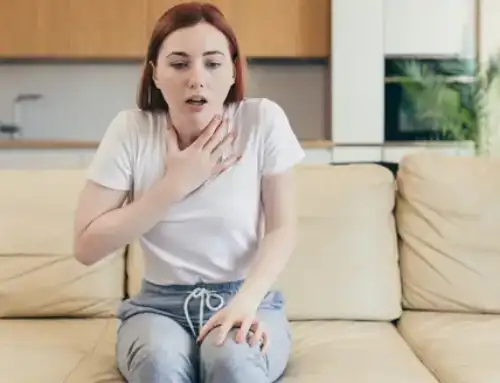

Smoking remains the leading preventable cause of disease and death in the United States. According to the CDC, cigarette smoking causes more than 480,000 deaths each year, roughly 1 in 5 deaths. For people living with asthma, COPD, sleep apnea, chronic cough, or lung nodules, smoking isn’t just harmful; it’s potentially life-threatening.
At Nova Pulmonary and Sleep, we understand the challenges of quitting smoking. But with the right approach, personalized support, and medical expertise, you can take control of your lung health and your life.
In this guide, we explore practical strategies for smoking cessation, with insights tailored to those living in Vienna, Leesburg, Ashburn, South Riding, Fairfax, and the surrounding areas of Virginia.
The Health Impact of Smoking on the Lungs
Before diving into strategies, it’s essential to understand why quitting matters so much. Smoking damages nearly every part of the respiratory system and contributes to:
Chronic Obstructive Pulmonary Disease (COPD)
Smoking is the primary cause of COPD, a progressive lung disease that causes shortness of breath, cough, and fatigue.
Lung Cancer
Smoking accounts for 80-90% of lung cancer deaths.
Asthma Exacerbations
Smokers with asthma experience more frequent and severe symptoms.
Sleep Apnea Worsening
Nicotine and smoke irritate upper airway tissues, increasing inflammation and worsening snoring and sleep-disordered breathing.
Persistent Cough and Infections
Smoking weakens the lungs’ natural defenses, making infections more common.
If you’re seeing a pulmonologist or sleep specialist, quitting smoking is likely one of the first steps they’ll recommend.
Step-by-Step Strategies to Quit Smoking
1. Set a Clear Quit Date
Choosing a specific date within the next two weeks helps you mentally prepare. Avoid high-stress periods. Mark your calendar and make a public commitment if you feel comfortable sharing your goal with friends, family, or your healthcare provider, as it adds accountability.
Tip
Schedule your first smoke-free day on a weekend or a day when your routine is flexible.
2. Understand Your Triggers
Knowing what prompts your urge to smoke is key. Common triggers include:
- Stress or anxiety
- Drinking coffee or alcohol
- Driving or breaks at work
- Social situations
- After meals
Keep a journal for a few days and note when, where, and why you smoke. Identifying these patterns helps you prepare alternatives.
3. Use Nicotine Replacement Therapy (NRT)
FDA-approved options include:
- Nicotine patches
- Nicotine gum
- Nicotine lozenges
- Nicotine nasal spray or inhalers (prescription-based)
Studies show that NRT can double your chances of quitting successfully. These therapies reduce withdrawal symptoms and cravings by providing a controlled dose of nicotine without harmful tobacco smoke.
4. Consider Prescription Medications
Two non-nicotine prescription options have been shown to improve quit rates significantly:
- Bupropion (Zyban): An antidepressant that reduces cravings and withdrawal symptoms.
- Varenicline (Chantix): Reduces the rewarding effects of nicotine and curbs cravings.
Note
Always speak to a physician, like the team at Nova Pulmonary and Sleep, to determine the best medication for your health profile.
5. Enroll in Behavioral Counseling
Behavioral support is a powerful tool for smoking cessation. It can be delivered through:
- In-person sessions with a therapist
- Group programs
- Telephone quitlines (e.g., 1-800-QUIT-NOW)
- Text or app-based support systems
A 2020 Cochrane review found that intensive behavioral interventions combined with pharmacotherapy are significantly more effective than minimal interventions or no support.
6. Build a Personalized Quit Plan
No two smokers are alike. A pulmonologist or lung specialist can help you craft a personalized cessation plan based on your triggers, health history, and preferences. A tailored approach often results in higher long-term success.

How Quitting Improves Lung Health: Short and Long Term
Within hours or days of quitting, your lungs begin to heal. Here’s what happens:
20 Minutes After Quitting
Heart rate and blood pressure drop.
12 Hours
Carbon monoxide levels normalize.
2 Weeks to 3 Months
Lung function improves, and breathing becomes easier.
1–9 Months
Coughing and shortness of breath decrease as cilia (tiny hair-like structures in the lungs) regenerate.
1 Year
The risk of coronary heart disease is half that of a smoker.
5 Years
The risk of stroke approaches that of a non-smoker.
10 Years
The Lung cancer death rate is about half that of a smoker’s.
Patients with COPD, asthma, lung nodules, or sleep apnea often see significant symptom relief after quitting, especially when combined with ongoing pulmonary care.
How a Pulmonologist Can Help
At Nova Pulmonary and Sleep, our board-certified physicians provide more than advice; they give a medically guided path to lung recovery.
Our services include:
- Pulmonary function testing to assess baseline lung health
- Evaluation for asthma, COPD, chronic cough, and lung cancer
- Monitoring of lung nodules and potential malignancies
- Sleep evaluations for disorders like obstructive sleep apnea and snoring
- Smoking cessation counseling and medication management
By addressing both your physical health and behavioral needs, we help set you up for lasting success.
Special Considerations: Quitting With Underlying Lung Conditions
Asthma
Smokers with asthma are more likely to experience frequent flare-ups, hospitalizations, and a poor response to medications. Quitting improves lung responsiveness and reduces exacerbations.
COPD
While there’s no cure for COPD, quitting smoking is the most effective treatment. It slows disease progression and reduces mortality.
Sleep Apnea
Smoking leads to increased upper airway inflammation and worsening apnea severity. Quitting improves sleep quality and reduces daytime fatigue.
Lung Nodules or Cancer
If you’ve been diagnosed with a lung nodule, smoking increases the likelihood of malignancy. Early cessation can reduce cancer risk and improve treatment outcomes if diagnosed.
Resources for Smoking Cessation in Northern Virginia
If you’re looking for help near Vienna, Leesburg, Ashburn, South Riding, or Fairfax, you’re not alone. Here are some options:
Local Support Services
- NOVA Quit Smoking Program: Evidence-based support and counseling
- Virginia Department of Health Quit Now Program: Free telephone coaching and nicotine replacement therapy
- Local Libraries and Community Centers: Many offer group classes and materials
Mobile Apps
Common Myths About Quitting Smoking—Debunked
| Myth | Truth |
| Quitting cold turkey is the best way. | While some succeed this way, most benefit from a combination of medication and support. |
| Nicotine causes cancer. | Tobacco smoke, not nicotine, contains carcinogens. NRT is safe and effective. |
| Weight gain is inevitable. | Some gain a small amount, but this can be managed with diet and exercise, and the health benefits of quitting far outweigh it. |
| It’s too late to quit. | It’s never too late; even older adults see significant health improvements. |
| Vaping is a safe alternative. | E-cigarettes are not FDA-approved cessation tools and may still harm the lungs. Consult your doctor before using them. |

Breathe Better, Live Better
You don’t have to quit alone.
Quitting smoking is hard, but with the proper support, you can reclaim your health and breathe easier. At Nova Pulmonary and Sleep, we specialize in helping patients overcome lung and sleep challenges with compassion and expertise.
Whether you’re in Vienna, Ashburn, Leesburg, Fairfax, or anywhere in Northern Virginia, our team is here to support your journey to a smoke-free life.
Take the First Step Today
If you’re ready to quit smoking or want to explore your lung health with a trusted pulmonologist or sleep specialist, book an appointment today.
Visit www.novapulmonary.com to learn more about our services and how we can help you take control of your lung health.